

THE CODES OF STYLE
SAPE, Identity, Behavior and the Reinvention of Human Elegance
An Editorial Manifesto by MOKILI MOBIMBA RUYA
STYLE DOES NOT FOLLOW FASHION — IT CREATES IT.
STYLE DOES NOT FOLLOW TIME — IT TRANSCENDS IT.
There are individuals whose presence alters the atmosphere of a room before they even speak.
They do not demand attention.
They do not perform for validation.
They do not rely on spectacle.
Yet their presence remains unforgettable.
This phenomenon transcends geography, culture, and time. Across civilizations and generations, there have always existed men and women whose charisma could not be explained solely by beauty, status, or material appearance.
Their magnetism came from somewhere deeper.
From coherence.
From dignity.
From identity fully embodied.
For years, through travels, encounters, observations, and personal reflection, one fundamental question continued to emerge:
What truly defines style?
The answer gradually became clear: style is not superficiality.
It is not luxury alone.
It is not fashion alone.
Style is a spiritual language.
It is the visible manifestation of an invisible essence.
True style exists in the harmony between appearance and consciousness, between aesthetics and behavior, between external expression and inner truth.
Style is not simply how one dresses.
It is how one inhabits the world.
It reveals values without words.
It communicates discipline, respect, refinement, intelligence, emotional awareness, and cultural memory.
Authentic style possesses magnetic power because it is aligned with identity.
And when identity aligns with expression, elegance becomes timeless.
THE EVOLUTION OF SAPE
Today, the philosophy of SAPE stands at a historic crossroads.
Originally born as an artistic and cultural response to colonial narratives, SAPE transformed elegance into resistance, dignity into performance, and appearance into symbolic freedom.
But contemporary society demands evolution.
Unlike style — which remains eternal — fashion constantly changes.
SAPE itself must now evolve beyond aesthetics and rediscover its deeper mission.
The future of SAPE cannot rely solely on garments, luxury labels, or visual codes.
Its future depends on behavior, consciousness, discipline, education, and cultural vision.
SAPE must once again become a philosophy of human elevation.
Not simply a performance of elegance — but a code of conduct.
A new generation of Sapeurs must understand that elegance without ethics is emptiness.
Luxury without knowledge becomes illusion.
Visibility without responsibility becomes noise.
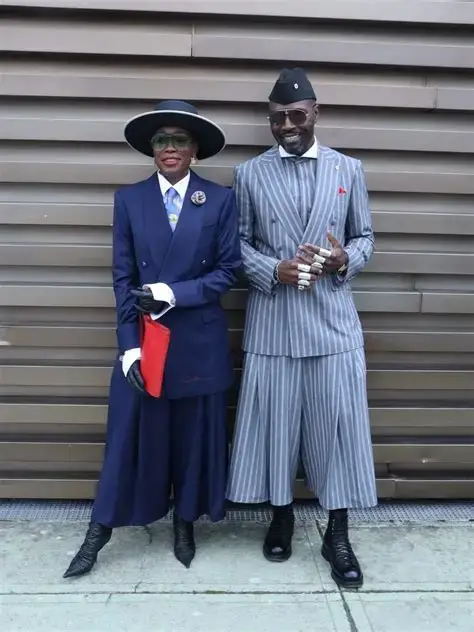
The true Sapeur is recognized not only by appearance, but by presence, speech, emotional control, cultural intelligence, and respect toward others.
THE NEW CODES OF STYLE
A new era requires new principles.
MOKILI MOBIMBA RUYA proposes a contemporary redefinition of style through a universal code of behavior.
The New Principles of Style
1. Style Begins with Self-Respect
Elegance starts internally before becoming external.
2. Behavior is the Highest Form of Luxury
How one treats others defines true refinement.
3. Culture is the Foundation of Style
Without cultural awareness, fashion becomes empty consumption.
4. Discipline Creates Presence
Consistency, restraint, and emotional intelligence generate charisma.
5. Diversity is Strength
The future of style belongs to multicultural dialogue and inclusion.
6. Style Must Evolve with Humanity
The role of style is not to escape society, but to elevate it.
7. Elegance Requires Vision
Without long-term vision, aesthetics become temporary trends.
THE MISSING ELEMENT: VISION
For decades, fashion systems often failed because they operated through vertical structures disconnected from humanity itself.
Entire cultures — especially Africa and its diaspora — were rarely allowed to define their own narratives within global fashion institutions.
The time has come to rethink those structures.
The future cannot be built exclusively through imitation of old systems.
It requires new perspectives.
New cultural dialogues.
New narratives.
New leadership.
What was missing for a long time was vision.
Long-term cultural vision.
MOKILI emerges precisely from this necessity: to reconnect style with humanity, memory, behavior, and global consciousness.
MOKILI: A GLOBAL CULTURAL PLATFORM
MOKILI is more than a media brand.
It is a cultural movement dedicated to fashion, design, beauty, visual arts, music, travel, hospitality, and multicultural identity.
Its mission is to redefine the narrative of style as a universal human heritage — from ancient civilizations to contemporary societies, from youth to elders, from Africa to Europe and beyond.
MOKILI represents the meeting point between style and consciousness.
A place where diversity, inclusion, creativity, and cultural dignity coexist.
A place where elegance becomes language.
And where behavior becomes art.
EDITORIAL
THE FUTURE OF STYLE WILL NOT BE BUILT ONLY THROUGH FASHION
For too long, society confused style with consumption.
The industry taught generations to imitate instead of understand.
To display instead of embody.
To follow instead of create.
But humanity is entering a new cultural era.
An era where authenticity matters more than spectacle.
Where identity matters more than trends.
Where behavior matters more than branding.
The future belongs to individuals capable of uniting aesthetics with ethics, elegance with intelligence, creativity with consciousness.
This is the responsibility of the new cultural generation.
And perhaps this is the true revolution of MOKILI MOBIMBA RUYA:
Not simply documenting style —
but redefining its meaning for the modern world.
Founder & Editor in Chief
DARRELL 'AMEDEE MARTIN MIEKE-DARRELL'
(ITALY-AFRICA)
I CODICI DELLO STILE
SAPE, Identità, Comportamento e la Reinvenzione dell’Eleganza Umana
Un Manifesto Editoriale di MOKILI MOBIMBA RUYA
LO STILE NON SEGUE LA MODA — LA CREA.
LO STILE NON SEGUE IL TEMPO — LO ATTRAVERSA.
Esistono individui la cui presenza modifica l’atmosfera di una stanza ancora prima di parlare.
Non cercano attenzione.
Non recitano per ottenere approvazione.
Non si affidano all’ostentazione.
Eppure la loro presenza resta impressa.
Questo fenomeno trascende geografie, culture ed epoche. In ogni civiltà sono esistiti uomini e donne il cui carisma non poteva essere spiegato soltanto dalla bellezza o dall’apparenza materiale.
Il loro magnetismo proveniva da qualcosa di più profondo.
Dalla coerenza.
Dalla dignità.
Da un’identità pienamente incarnata.
Attraverso viaggi, incontri, osservazioni e riflessioni personali, una domanda è diventata centrale:
Che cosa definisce realmente lo stile?
La risposta è emersa lentamente: lo stile non è superficialità.
Non è soltanto lusso.
Non è soltanto moda.
Lo stile è un linguaggio spirituale.
È la manifestazione visibile di un’essenza invisibile.
Il vero stile nasce dall’armonia tra apparenza e coscienza, tra estetica e comportamento, tra espressione esteriore e verità interiore.
Lo stile non riguarda semplicemente il modo di vestirsi.
Riguarda il modo di abitare il mondo.
Esso comunica valori senza bisogno di parole.
Rivela disciplina, rispetto, raffinatezza, intelligenza emotiva e memoria culturale.
Uno stile autentico possiede una forza magnetica perché è allineato con l’identità.
E quando l’identità incontra l’espressione, l’eleganza diventa senza tempo.
L’EVOLUZIONE DELLA SAPE
Oggi la filosofia della SAPE si trova davanti a un passaggio storico.
Nata come risposta artistica e culturale alle narrative coloniali, la SAPE ha trasformato l’eleganza in resistenza, la dignità in espressione, l’apparenza in libertà simbolica.
Ma la società contemporanea richiede evoluzione.
A differenza dello stile — che resta eterno — la moda cambia continuamente.
Anche la SAPE deve evolversi oltre l’estetica per ritrovare la propria missione più profonda.
Il futuro della SAPE non può dipendere esclusivamente dagli abiti, dai marchi di lusso o dai codici visivi.
Il suo futuro dipende dal comportamento, dalla coscienza, dalla disciplina, dall’educazione e dalla visione culturale.
La SAPE deve tornare ad essere una filosofia dell’elevazione umana.
Non semplicemente una performance dell’eleganza, ma un codice di comportamento.
La nuova generazione di Sapeurs deve comprendere che l’eleganza senza etica è vuota.
Il lusso senza conoscenza diventa illusione.
La visibilità senza responsabilità diventa rumore.
Il vero Sapeur si riconosce non soltanto dall’apparenza, ma dalla presenza, dalla parola, dal controllo emotivo, dall’intelligenza culturale e dal rispetto verso gli altri.
I NUOVI CODICI DELLO STILE
Una nuova epoca richiede nuovi principi.
MOKILI MOBIMBA RUYA propone una ridefinizione contemporanea dello stile attraverso un codice universale di comportamento.
I Nuovi Principi dello Stile
- Lo stile nasce dal rispetto di sé.
- Il comportamento è la più alta forma di lusso.
- La cultura è il fondamento dello stile.
- La disciplina genera presenza.
- La diversità rappresenta forza e ricchezza.
- Lo stile deve evolversi insieme all’umanità.
- L’eleganza richiede visione.
L’ELEMENTO MANCANTE: LA LUNGIMIRANZA
Per troppo tempo i sistemi della moda hanno funzionato attraverso strutture verticali distanti dall’essere umano.
Intere culture — in particolare l’Africa e la sua diaspora — raramente hanno avuto la possibilità di definire autonomamente la propria narrativa all’interno delle istituzioni globali della moda.
È arrivato il momento di ripensare questi modelli.
Il futuro non può essere costruito esclusivamente sull’imitazione dei vecchi sistemi.
Servono nuove prospettive.
Nuovi dialoghi culturali.
Nuove narrative.
Nuova leadership.
Per lungo tempo ciò che è mancato è stata la lungimiranza.
MOKILI nasce proprio da questa necessità: riconnettere lo stile con l’umanità, la memoria, il comportamento e la coscienza globale.
MOKILI: UNA PIATTAFORMA CULTURALE GLOBALE
MOKILI non è soltanto un media brand.
È un movimento culturale dedicato alla moda, al design, alla bellezza, alle arti visive, alla musica, al viaggio, all’hospitality e all’identità multiculturale.
La sua missione è ridefinire la narrativa dello stile come patrimonio universale dell’umanità — dalle civiltà antiche alla società contemporanea, dai giovani agli anziani, dall’Africa all’Europa e oltre.
MOKILI rappresenta il punto d’incontro tra stile e coscienza.
Un luogo dove diversità, inclusione, creatività e dignità culturale convivono.
Un luogo dove l’eleganza diventa linguaggio.
E dove il comportamento diventa arte.
EDITORIALE
IL FUTURO DELLO STILE NON SARÀ COSTRUITO SOLTANTO DALLA MODA
Per troppo tempo la società ha confuso lo stile con il consumo.
L’industria ha insegnato a imitare invece di comprendere.
A mostrare invece di incarnare.
A seguire invece di creare.
Ma l’umanità sta entrando in una nuova era culturale.
Un’epoca in cui l’autenticità conta più dello spettacolo.
In cui l’identità conta più delle tendenze.
In cui il comportamento conta più del branding.
Il futuro appartiene a coloro che sapranno unire estetica ed etica, eleganza e intelligenza, creatività e coscienza.
Questa è la responsabilità della nuova generazione culturale.
E forse questa è la vera rivoluzione di MOKILI MOBIMBA RUYA:
Non semplicemente raccontare lo stile —
ma ridefinirne il significato per il mondo contemporaneo.
LES CODES DU STYLE
SAPE, Identité, Comportement et Réinvention de l’Élégance Humaine
Un Manifeste Éditorial de MOKILI MOBIMBA RUYA
LE STYLE NE SUIT PAS LA MODE — IL LA CRÉE.
LE STYLE NE SUIT PAS LE TEMPS — IL LE TRAVERSE.
Certaines personnes transforment l’atmosphère d’une pièce avant même de prononcer un mot.
Elles ne cherchent pas l’attention.
Elles ne jouent pas un rôle pour être validées.
Elles ne vivent pas dans l’ostentation.
Et pourtant, leur présence demeure inoubliable.
Ce phénomène dépasse les frontières, les cultures et les époques. À travers l’histoire, certains hommes et certaines femmes ont incarné un charisme qui ne pouvait être expliqué uniquement par l’apparence physique.
Leur magnétisme provenait de quelque chose de plus profond.
De la cohérence.
De la dignité.
D’une identité pleinement assumée.
Au fil des voyages, des rencontres et des réflexions personnelles, une question essentielle est apparue :
Qu’est-ce qui définit réellement le style ?
La réponse s’est révélée progressivement : le style n’est pas superficiel.
Il n’est pas uniquement lié au luxe.
Il n’est pas seulement une question de mode.
Le style est un langage spirituel.
Il est la manifestation visible d’une essence invisible.
Le véritable style naît de l’harmonie entre apparence et conscience, entre esthétique et comportement, entre expression extérieure et vérité intérieure.
Le style ne concerne pas seulement la manière de s’habiller.
Il concerne la manière d’habiter le monde.
Il transmet des valeurs sans paroles.
Il révèle la discipline, le respect, le raffinement, l’intelligence émotionnelle et la mémoire culturelle.
Un style authentique possède une force magnétique parce qu’il est aligné avec l’identité.
Et lorsque l’identité rencontre l’expression, l’élégance devient intemporelle.
L’ÉVOLUTION DE LA SAPE
Aujourd’hui, la philosophie de la SAPE se trouve à un tournant historique.
Née comme une réponse artistique et culturelle aux récits coloniaux, la SAPE a transformé l’élégance en résistance, la dignité en expression et l’apparence en liberté symbolique.
Mais le monde contemporain exige une évolution.
Contrairement au style — qui demeure éternel — la mode change constamment.
La SAPE elle-même doit évoluer au-delà de l’esthétique afin de retrouver sa mission profonde.
L’avenir de la SAPE ne peut dépendre uniquement des vêtements, des marques de luxe ou des codes visuels.
Son avenir dépend du comportement, de la conscience, de la discipline, de l’éducation et de la vision culturelle.
La SAPE doit redevenir une philosophie de l’élévation humaine.
Non pas seulement une performance de l’élégance, mais un véritable code de conduite.
La nouvelle génération des Sapeurs doit comprendre que l’élégance sans éthique est vide.
Le luxe sans connaissance devient illusion.
La visibilité sans responsabilité devient du bruit.
Le véritable Sapeur se reconnaît non seulement par son apparence, mais aussi par sa présence, sa parole, sa maîtrise émotionnelle, son intelligence culturelle et son respect des autres.
LES NOUVEAUX CODES DU STYLE
Une nouvelle époque exige de nouveaux principes.
MOKILI MOBIMBA RUYA propose une redéfinition contemporaine du style à travers un code universel de comportement.
Les Nouveaux Principes du Style
- Le style commence par le respect de soi.
- Le comportement est la plus haute forme du luxe.
- La culture est le fondement du style.
- La discipline crée la présence.
- La diversité représente une richesse.
- Le style doit évoluer avec l’humanité.
- L’élégance exige une vision.
L’ÉLÉMENT MANQUANT : LA VISION
Pendant trop longtemps, les systèmes de la mode ont fonctionné à travers des structures verticales éloignées de l’humain.
Des cultures entières — particulièrement l’Afrique et sa diaspora — ont rarement eu l’opportunité de définir leurs propres récits au sein des institutions mondiales de la mode.
Il est temps de repenser ces modèles.
L’avenir ne peut être construit uniquement sur l’imitation des anciens systèmes.
Il exige de nouvelles perspectives.
De nouveaux dialogues culturels.
De nouveaux récits.
Un nouveau leadership.
Pendant longtemps, ce qui manquait était la vision.
MOKILI naît précisément de cette nécessité : reconnecter le style à l’humanité, à la mémoire, au comportement et à la conscience globale.
MOKILI : UNE PLATEFORME CULTURELLE GLOBALE
MOKILI est bien plus qu’un média.
C’est un mouvement culturel consacré à la mode, au design, à la beauté, aux arts visuels, à la musique, au voyage, à l’hospitalité et à l’identité multiculturelle.
Sa mission est de redéfinir le récit du style comme patrimoine universel de l’humanité — des civilisations anciennes jusqu’au monde contemporain, des jeunes générations aux anciens, de l’Afrique à l’Europe et au-delà.
MOKILI représente le point de rencontre entre style et conscience.
Un espace où diversité, inclusion, créativité et dignité culturelle coexistent.
Un espace où l’élégance devient langage.
Et où le comportement devient art.
ÉDITORIAL
L’AVENIR DU STYLE NE SERA PAS CONSTRUIT UNIQUEMENT PAR LA MODE
Pendant trop longtemps, la société a confondu style et consommation.
L’industrie a appris aux générations à imiter au lieu de comprendre.
À montrer au lieu d’incarner.
À suivre au lieu de créer.
Mais l’humanité entre désormais dans une nouvelle ère culturelle.
Une époque où l’authenticité compte davantage que le spectacle.
Où l’identité compte davantage que les tendances.
Où le comportement compte davantage que le branding.
L’avenir appartient à ceux capables d’unir esthétique et éthique, élégance et intelligence, créativité et conscience.
Telle est la responsabilité de la nouvelle génération culturelle.
Et peut-être est-ce là la véritable révolution de MOKILI MOBIMBA RUYA :
Non pas simplement raconter le style —
mais en redéfinir le sens pour le monde contemporain.
#sape









Add comment
Comments