

PITTI UOMO 110: FLORENCE AT THE CROSSROADS OF GLOBAL MENSWEAR
How the world's most influential menswear platform continues to shape fashion, culture and international business
By Mokili Mobimba Editorial Team
Florence has long occupied a unique position in the global imagination. Renowned as the cradle of the Renaissance, the Tuscan capital remains one of the few cities capable of seamlessly connecting history, culture, craftsmanship and innovation. Every year, this legacy finds renewed expression through Pitti Uomo, the international menswear exhibition that has become a benchmark for fashion professionals across the world.
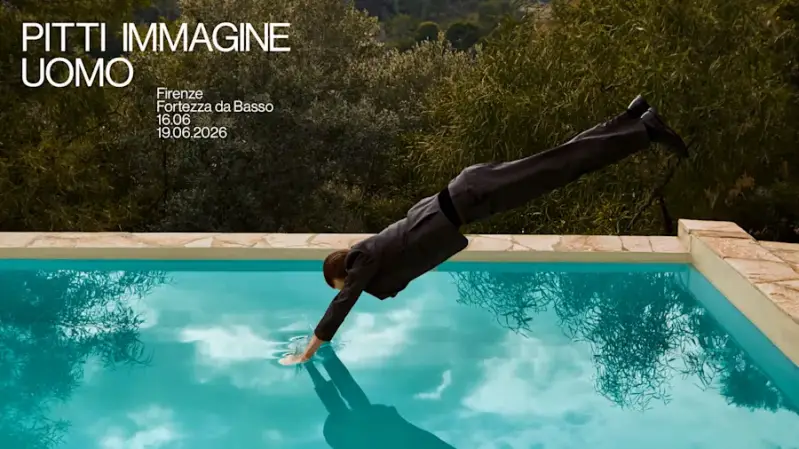
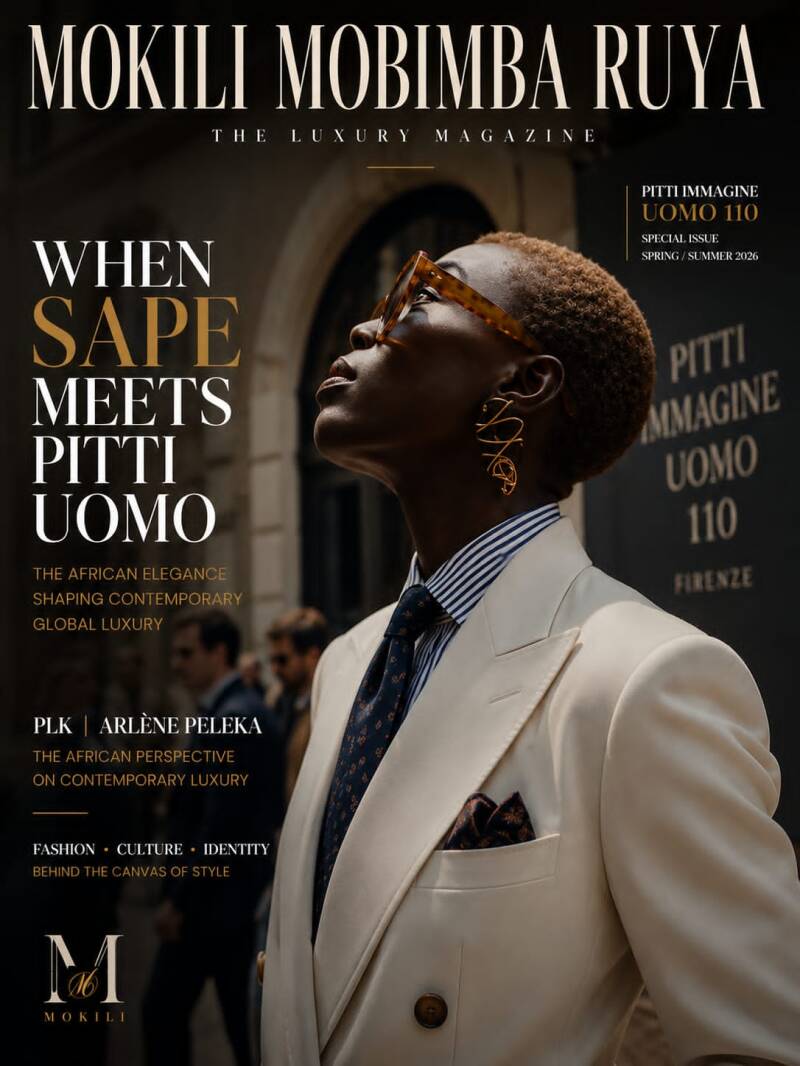
From June 16 to June 19, 2026, Florence once again welcomes the international fashion community for the 110th edition of Pitti Uomo. More than a trade show, the event has evolved into a strategic platform where luxury brands, emerging designers, retailers, investors, cultural institutions and media organizations gather to examine the future of menswear.
At a time when the fashion industry is undergoing profound transformation—driven by technological innovation, shifting consumer behaviors, sustainability challenges and geopolitical change—Pitti Uomo occupies a particularly significant role. It functions simultaneously as a marketplace, a cultural observatory and a laboratory for experimentation.
A GLOBAL PLATFORM FOR A CHANGING INDUSTRY
The numbers alone illustrate the scale of the event. More than 720 brands are expected to participate in the 110th edition, with approximately 44 percent coming from international markets representing over thirty countries.
These figures underscore the growing importance of Florence as a meeting point for global fashion ecosystems. While major fashion weeks remain essential showcases for runway collections, Pitti Uomo continues to distinguish itself through its hybrid model, combining commercial relevance with cultural influence.
Buyers from leading department stores, luxury boutiques and digital retail platforms attend the event not only to identify trends but also to establish strategic partnerships and discover new business opportunities. For many brands, particularly emerging labels, visibility at Pitti Uomo represents a gateway to international expansion.
The event's influence extends beyond fashion. Hospitality, tourism, transportation, cultural institutions and local businesses all benefit from the influx of visitors. As a result, Pitti Uomo has become a significant economic driver for Florence and Tuscany, generating both direct and indirect value for the regional economy.
THE POOL: A METAPHOR FOR CONTEMPORARY CREATIVITY
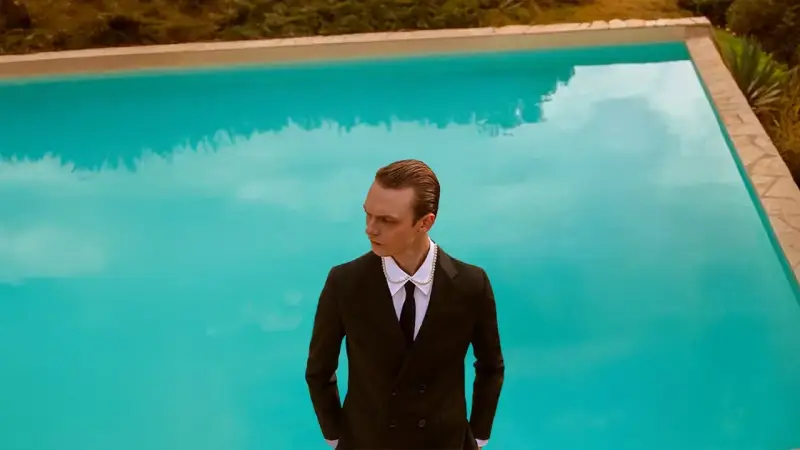
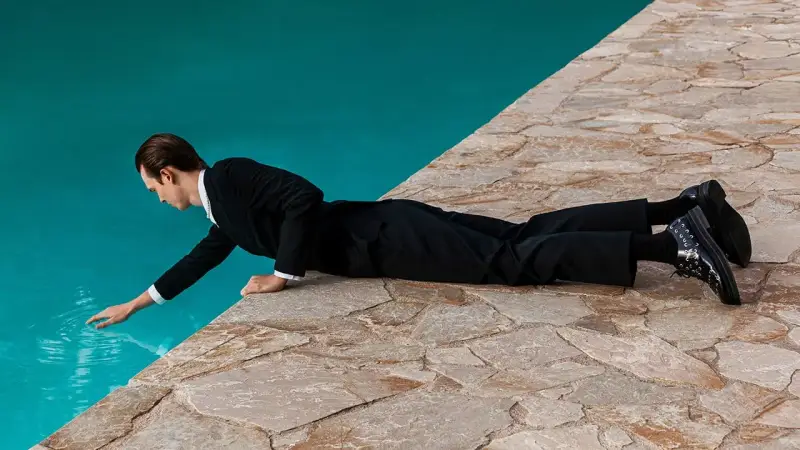
The conceptual theme of Pitti Uomo 110, THE POOL, captures the spirit of contemporary fashion in a remarkably effective way.
A pool is a space of gathering, movement and exchange. It is a place where boundaries become fluid and where different individuals share a common environment. Applied to fashion, the metaphor reflects the increasingly interconnected nature of global creativity.
Today's fashion landscape is defined by cross-cultural influences, multidisciplinary collaborations and the continuous circulation of ideas across continents. Designers draw inspiration from art, technology, architecture, music and social movements, creating collections that transcend traditional categories.
THE POOL therefore becomes more than a visual concept. It serves as a reflection of the industry's current state—a dynamic ecosystem where innovation emerges through interaction.
GUEST DESIGNERS: TWO DISTINCT VISIONS OF THE FUTURE
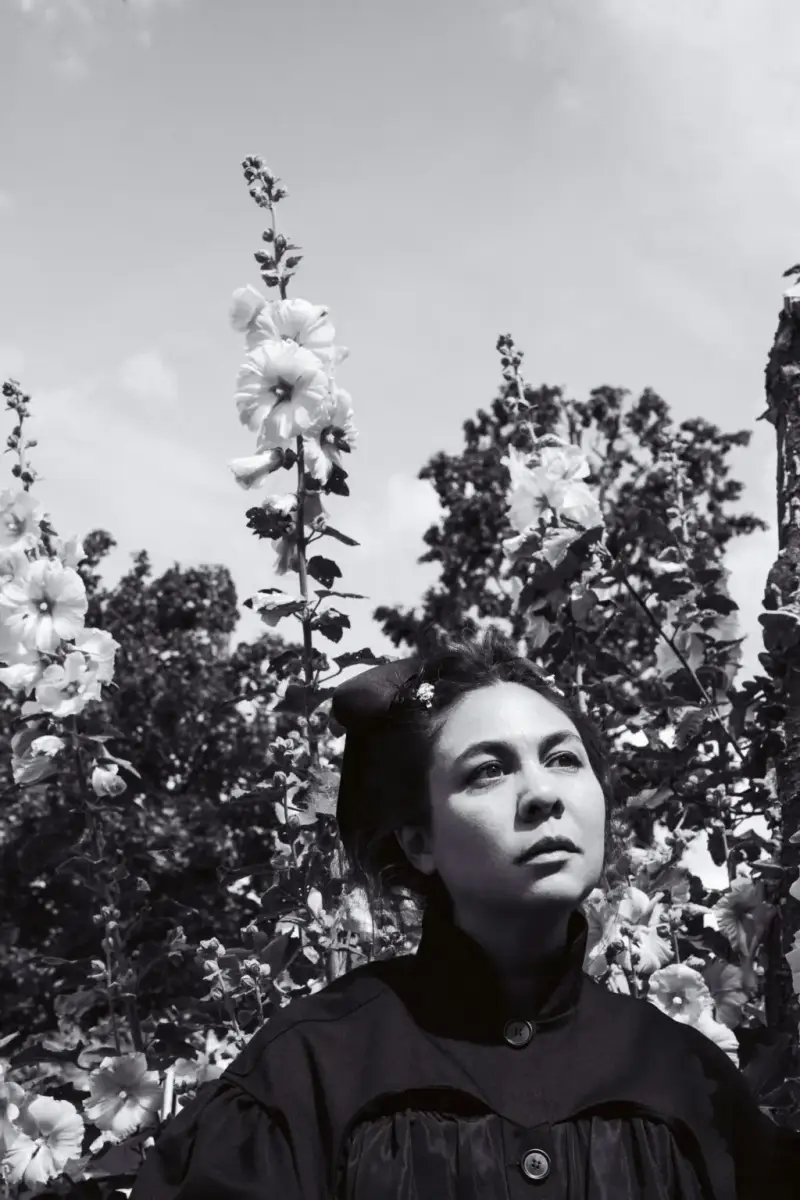
Among the highlights of this edition are the appearances of Guest Designers Kei Ninomiya and Simone Rocha.
Kei Ninomiya has established himself as one of the most innovative voices in contemporary fashion. Known for his experimental constructions and technical approach to garment design, his work challenges conventional notions of silhouette and materiality. His presentation at Pitti Uomo is expected to attract considerable attention from industry observers interested in the intersection of craftsmanship and technological innovation.
Simone Rocha, meanwhile, brings a different but equally compelling perspective. Her work is celebrated for its emotional depth, poetic storytelling and ability to merge tradition with modernity. Through intricate detailing and a distinctive aesthetic language, Rocha has created a universe that resonates across generations and cultural boundaries.
Together, these two designers embody the diversity and complexity of contemporary fashion. Their participation reinforces Pitti Uomo's commitment to showcasing visionary creativity alongside commercial relevance.
EMERGING TALENT AND THE FUTURE OF FASHION
One of the defining strengths of Pitti Uomo has always been its ability to identify and support emerging talent.
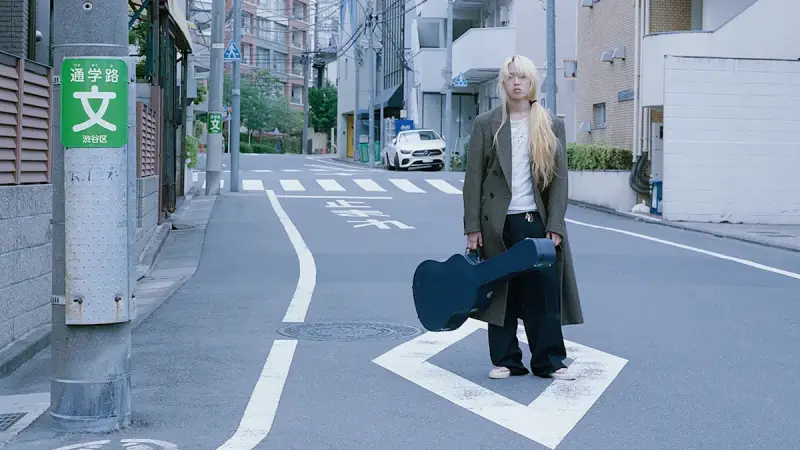
The collaboration with Copenhagen Fashion Week exemplifies this commitment. By welcoming the Danish brand Sunflower, Pitti Uomo highlights the growing influence of Scandinavian design values, including sustainability, functionality and understated sophistication.
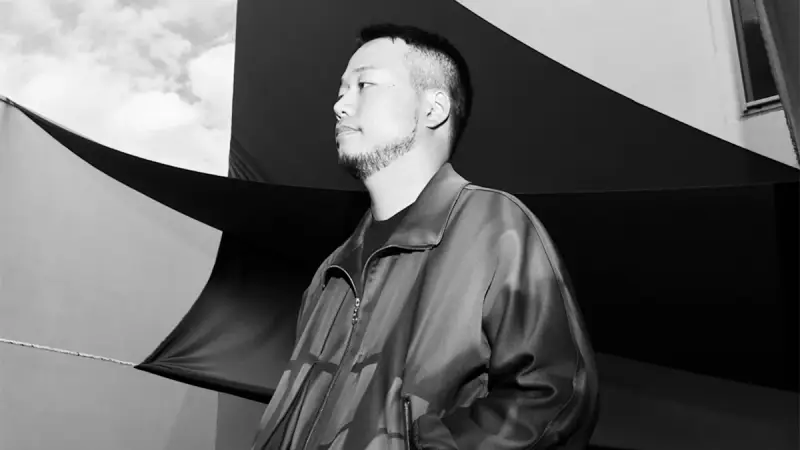
Equally significant is the participation of South Korean designer Jiyong Kim. Representing a new generation of creative entrepreneurs, Kim's work reflects broader shifts within the global fashion industry, particularly the increasing influence of Asian markets and cultural perspectives.
As fashion becomes more decentralized, new creative centers continue to emerge across Asia, Africa, Latin America and the Middle East. Pitti Uomo provides a platform where these diverse voices can engage in meaningful dialogue with established industry leaders.
FASHION, CULTURE AND SOFT POWER
Beyond its economic significance, Pitti Uomo represents an important form of cultural diplomacy.
Fashion has become a powerful instrument of soft power, enabling nations and regions to project identity, creativity and innovation on the global stage. In this context, Florence serves as more than a host city. It becomes a symbol of Italy's enduring contribution to global culture.
The event demonstrates how heritage and innovation can coexist. Historic architecture provides the backdrop for contemporary creativity, while centuries-old craftsmanship continues to inspire new forms of design and production.
This balance between tradition and progress remains one of the defining characteristics of Italian fashion and one of the reasons why Pitti Uomo continues to command international attention.
LOOKING AHEAD
As the global fashion industry navigates an era of rapid transformation, platforms such as Pitti Uomo become increasingly important.
They provide opportunities for dialogue, collaboration and discovery. They connect established brands with emerging talent, local craftsmanship with global markets and cultural heritage with future innovation.
In its 110th edition, Pitti Uomo once again demonstrates why Florence remains one of the world's most influential capitals of fashion. More than a trade event, it is a reflection of an industry in motion—an industry continually redefining itself through creativity, diversity and global exchange.
As designers, buyers, executives and cultural leaders converge on Florence this June, one message becomes clear: the future of menswear is not confined to a single runway, city or market. It is being shaped collectively, through dialogue and collaboration, in places where ideas can meet, evolve and inspire.
And few places embody that spirit more effectively than Pitti Uomo.
TAGS
#PittiUomo110 #PittiUomo #FlorenceFashion #Menswear #LuxuryFashion #FashionIndustry #MadeInItaly #FashionBusiness #FashionCulture #Lifestyle #FashionWeek #FashionInnovation #GlobalFashion #FashionMedia #CreativeEconomy #LuxuryLifestyle #DesignerFashion #FashionTrends #InternationalFashion #FutureOfFashion #ThePool #Florence #Italy #LuxuryIndustry #FashionLeadership #FashionNetworking #GlobalStyle #FashionWorld #ContemporaryFashion #MensFashion #Sape


Add comment
Comments