

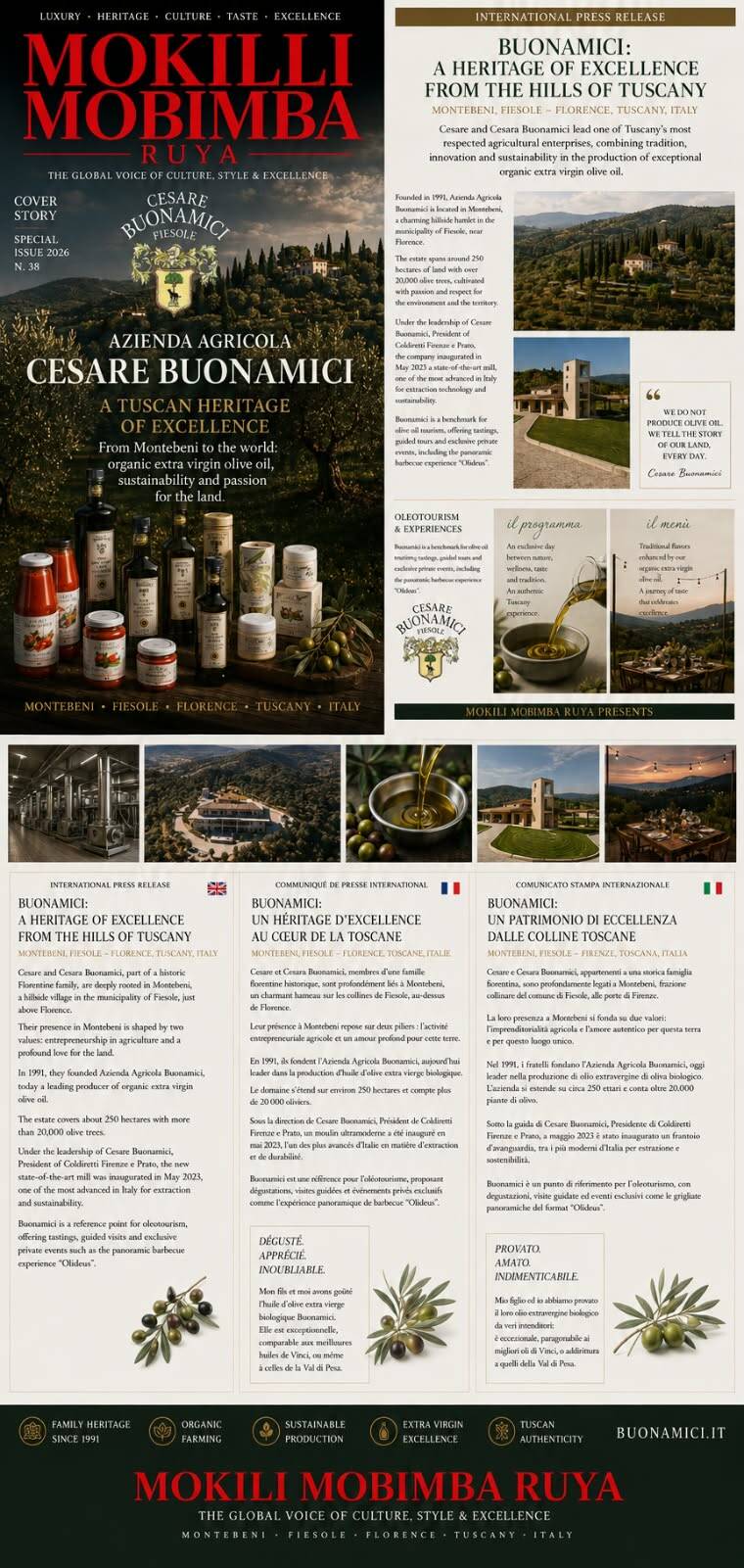
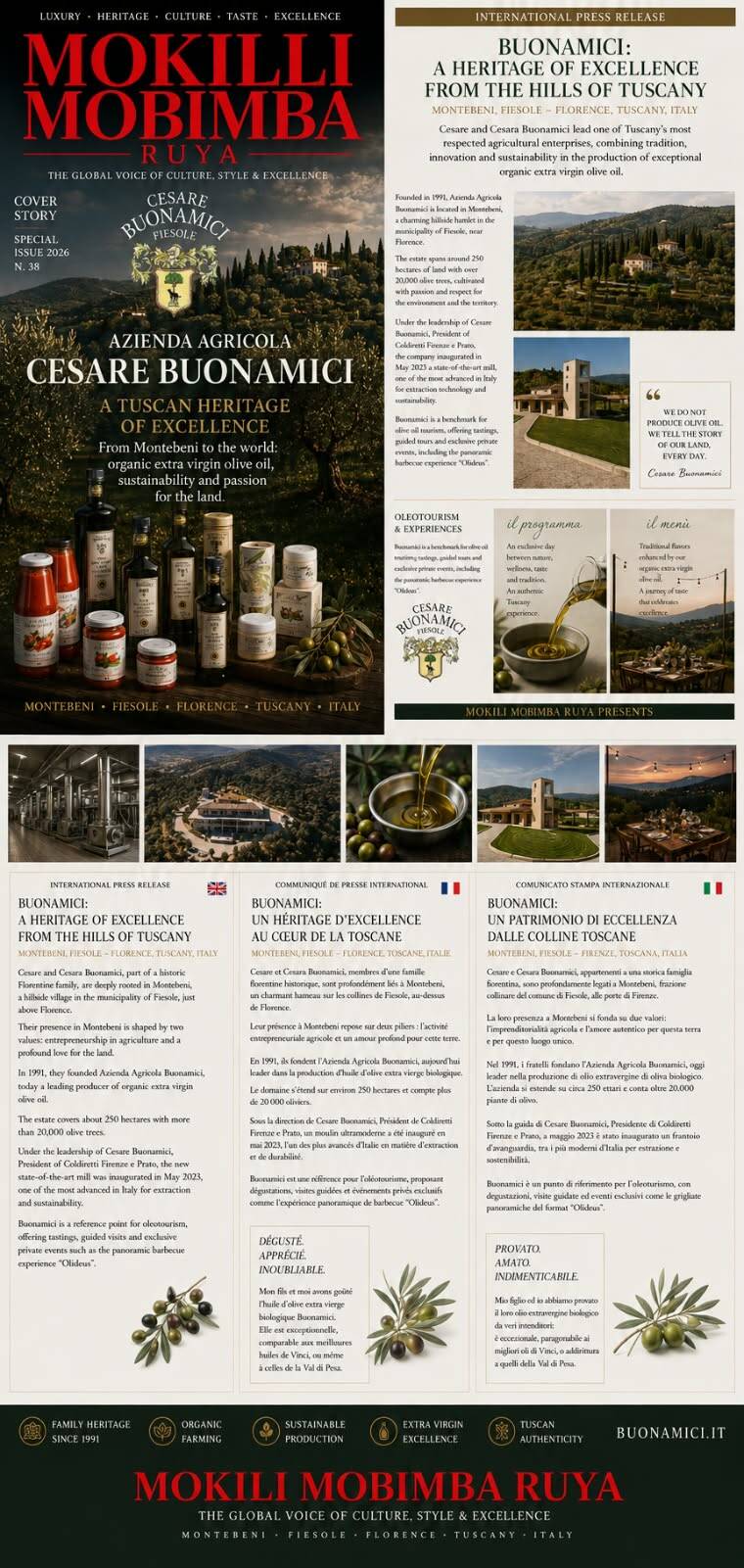
MOKILI MOBIMBA RUYA PRESENTS
BUONAMICI: WHERE TUSCAN HERITAGE BECOMES A GLOBAL LANGUAGE OF EXCELLENCE
Azienda Agricola Cesare Buonamici — Montebeni, Fiesole, Florence
Heritage · Land · Organic Agriculture · Olive Oil · Sustainability · Tuscan Culture · Hospitality
INTERNATIONAL EDITORIAL PRESENTATION
There are places where agriculture is more than an economic activity. There are landscapes where cultivation becomes culture, where a family name becomes inseparable from the territory, and where a product carries within it the identity of an entire region.
Montebeni, in the hills of Fiesole near Florence, is one of those places.
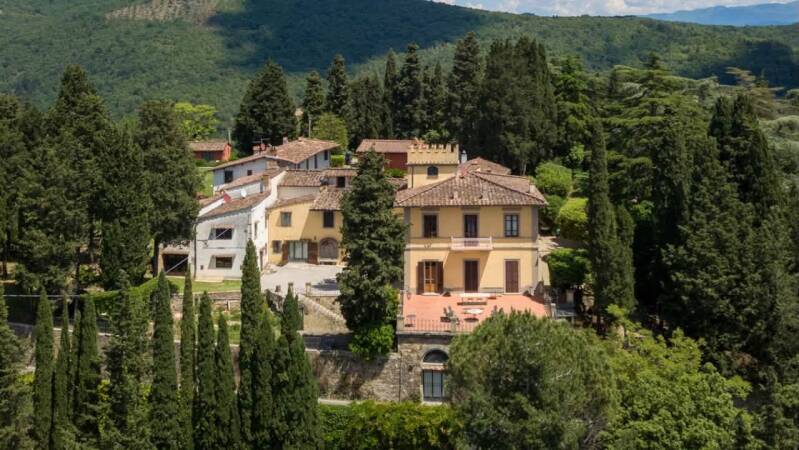
Here, the story of Azienda Agricola Cesare Buonamici is rooted in a relationship between family, land, olive trees and an enduring vision of Tuscan excellence.
At the centre of this story are Cesare and Cesara Buonamici, members of a historic Florentine family whose connection with Montebeni is expressed through both entrepreneurial commitment to agriculture and a profound attachment to the landscape in which the estate has developed.
For MOKILI MOBIMBA RUYA, this is not simply a story about olive oil.
It is a story about territory, continuity, taste, responsibility and the contemporary value of heritage.
BUONAMICI: A HERITAGE OF EXCELLENCE FROM THE HILLS OF TUSCANY
From Montebeni to the world, a Florentine family transforms the culture of the olive tree into a contemporary expression of quality, identity and hospitality.
THE MANIFESTO
Heritage is not something we inherit simply to preserve.
It is something we must understand, protect and reinterpret.
This is the principle that emerges from the story of Azienda Agricola Cesare Buonamici.
In the hills surrounding Florence, the olive tree is not merely part of the landscape. It is part of the visual, agricultural and cultural identity of Tuscany.
At Montebeni, the Buonamici family has built its agricultural identity around this relationship with the land, creating a distinctive reality dedicated to organic extra virgin olive oil and to a broader philosophy in which agriculture, sustainability, hospitality and gastronomy meet.
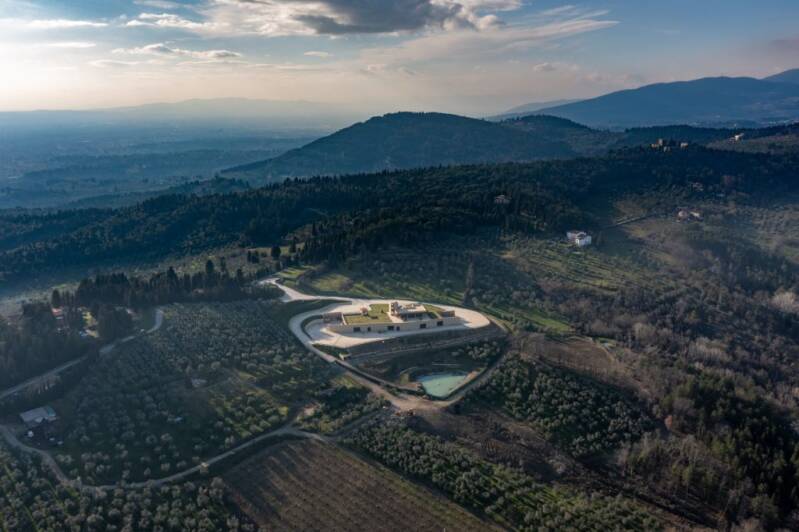
Founded in 1991, Azienda Agricola Buonamici developed around an extensive agricultural estate comprising approximately 250 hectares of land and more than 20,000 olive trees, according to the information provided for this editorial.
The result is an agricultural ecosystem in which the olive grove becomes the starting point for a much larger narrative.
A FAMILY ROOTED IN MONTEBENI
The Buonamici story begins with a strong geographical identity.
Montebeni, a hillside locality within the municipality of Fiesole, carries the particular character of the Florentine countryside: cultivated hills, olive groves, historic residences, cypress trees and panoramic views that connect the countryside with the cultural heritage of Florence.
For Cesare and Cesara Buonamici, this territory represents both an entrepreneurial environment and a place of belonging.
That dual relationship is important.
Because contemporary luxury increasingly moves beyond the object itself.
Luxury today can mean authenticity, provenance, craftsmanship, sustainability and a credible relationship with place.
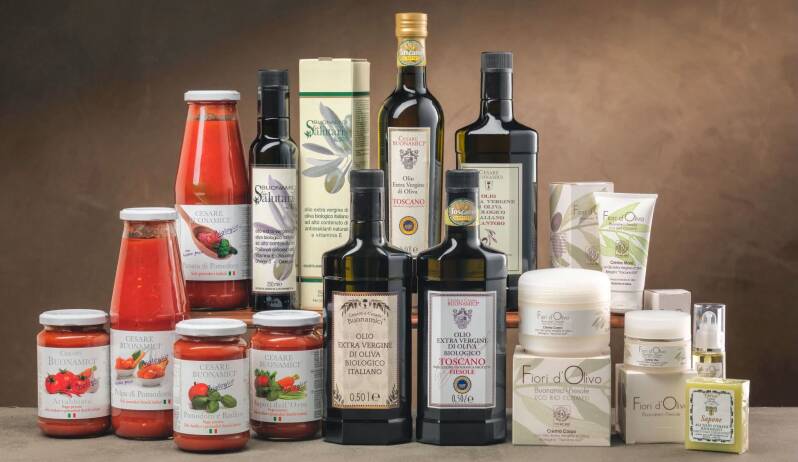
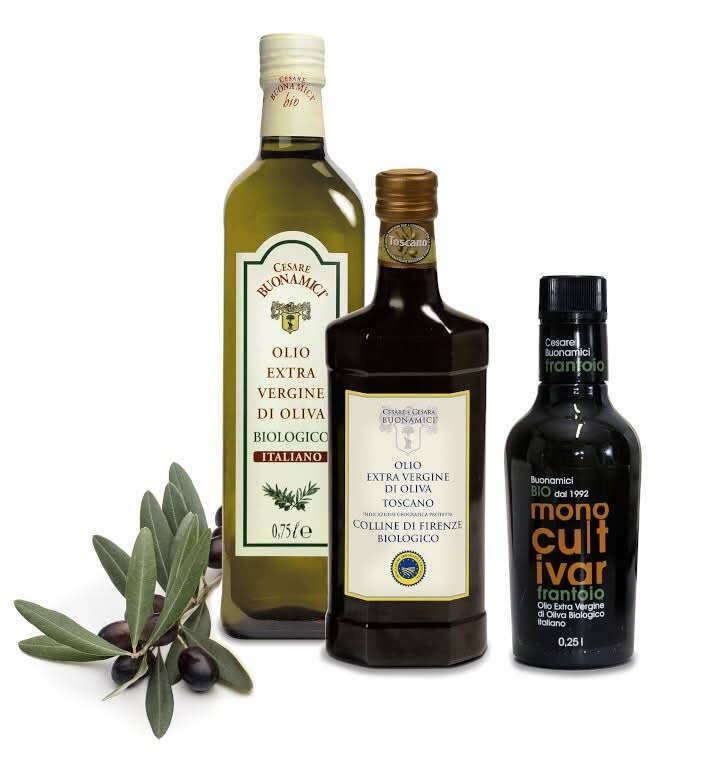
An exceptional bottle of olive oil is therefore not simply a food product. It can become a narrative object: an expression of soil, climate, agricultural knowledge, harvesting, transformation and family philosophy.
FROM THE OLIVE GROVE TO THE MILL
One of the defining developments in the Buonamici story is the evolution of its production infrastructure.
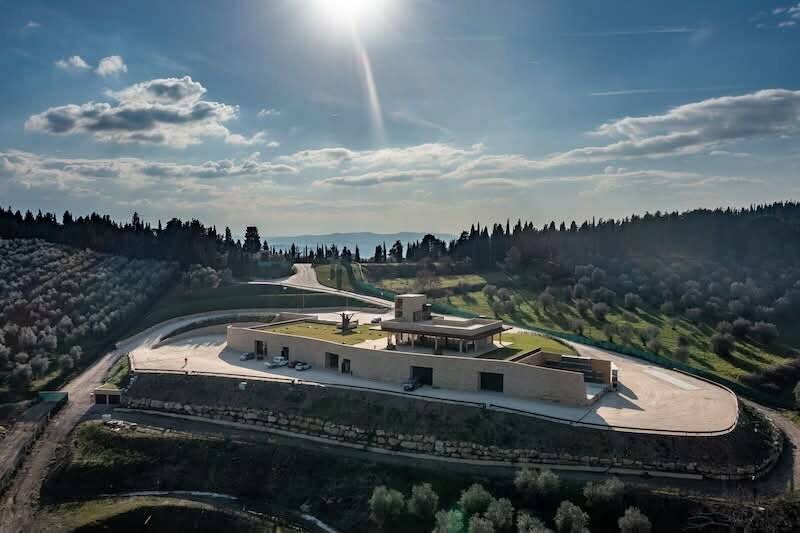
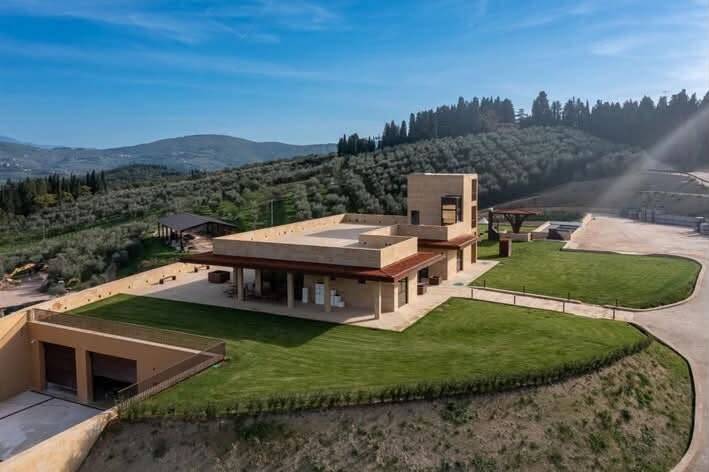
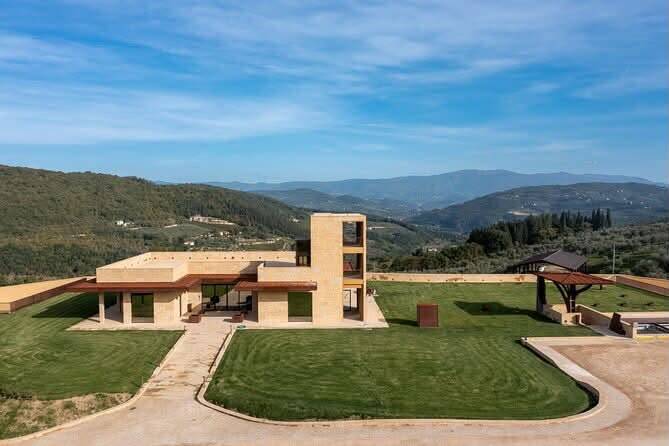
In May 2023, according to the supplied material, the company inaugurated a new advanced olive mill designed around modern extraction processes and sustainability.
This investment represents an important transition:
from traditional agricultural heritage to contemporary agricultural innovation.
The olive mill is not simply the final stage of cultivation. It is the place where the work carried out throughout the year in the olive groves is translated into the sensory identity of the finished oil.
The modernisation of the mill therefore becomes part of a broader philosophy:
tradition should not resist innovation; tradition should use innovation to protect its future.
This is particularly relevant in Tuscany, where agricultural heritage and contemporary sustainability increasingly need to coexist.
THE CULTURE OF ORGANIC EXTRA VIRGIN OLIVE OIL
The Buonamici identity is strongly associated with organic extra virgin olive oil.
But the significance of organic production extends beyond a label.
It reflects a broader relationship with the agricultural environment: the soil, the olive trees, biodiversity, cultivation practices and the long-term preservation of the landscape.
The olive tree itself teaches patience.
It is a perennial crop. It requires years of cultivation before reaching full productivity and can remain part of a landscape for generations.
That makes olive oil fundamentally different from a short-term commodity.
It is a product of time.
And time is one of the most powerful dimensions of luxury.
A TUSCAN TABLE, A GLOBAL LANGUAGE
The international appeal of Tuscan olive oil lies partly in its extraordinary versatility.
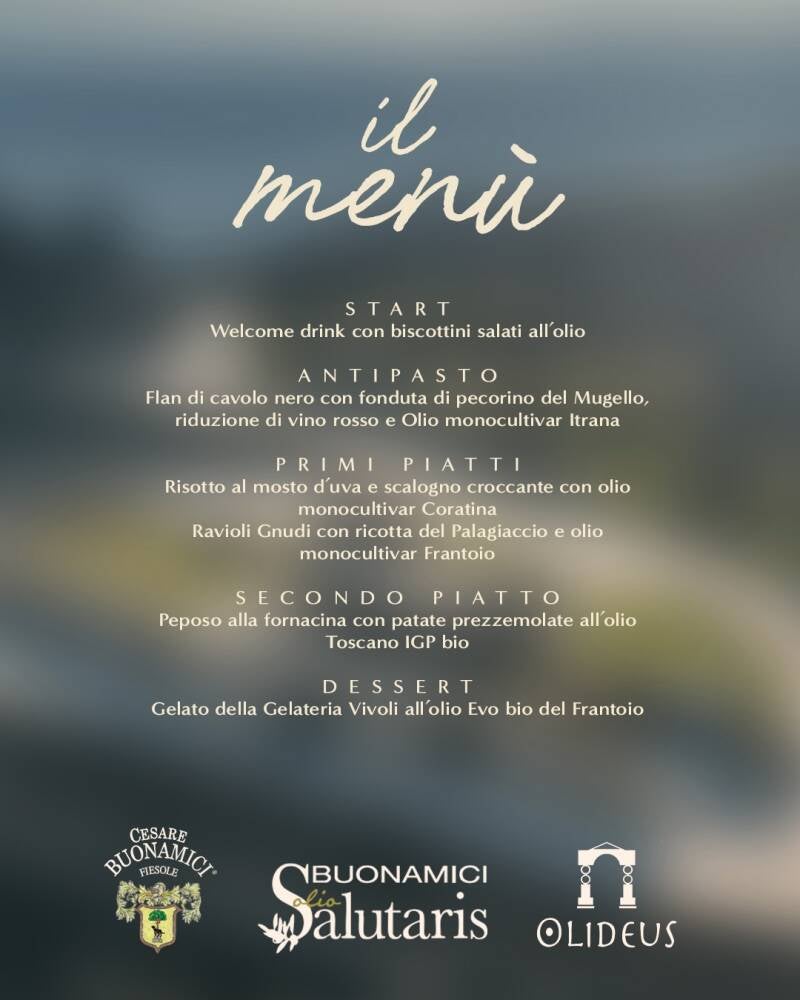
It can accompany a simple piece of bread, enhance vegetables, structure a first course, finish a fish dish or become the aromatic element that gives character to a contemporary culinary creation.
In the Buonamici experience, olive oil becomes part of a wider gastronomic culture.
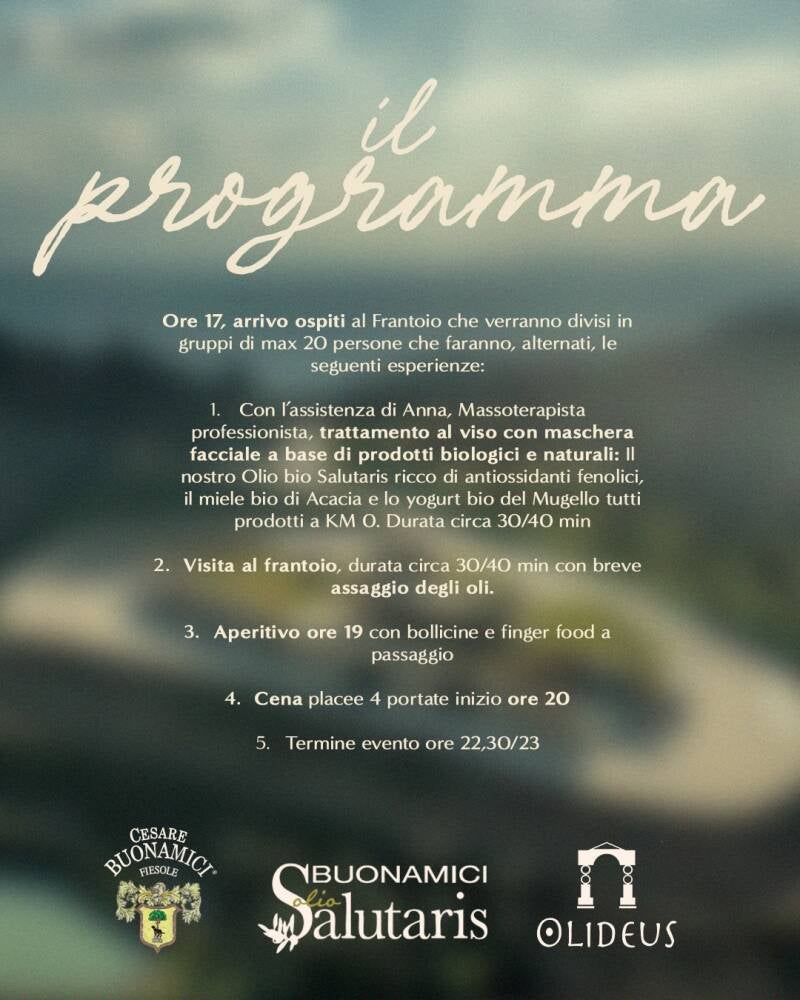
The supplied material also describes experiences associated with the estate, including tastings, guided visits and private events connected with the Olideus format.
This creates an important bridge between agriculture and hospitality.
The visitor is no longer simply purchasing a product.
The visitor enters a story.
They see the landscape.
They encounter the olive grove.
They discover the production environment.
They taste the oil.
And, ultimately, they understand why provenance matters.
THE OLIVE OIL EXPERIENCE
For the editorial team behind MOKILI MOBIMBA RUYA, the story also has a personal dimension.
The author and his son experienced the Buonamici olive oil directly as consumers and food enthusiasts.
The judgement was unequivocal: an exceptional tasting experience, with a quality perceived as comparable to some of the most appreciated olive-oil territories of Tuscany, including the areas around Vinci and the Val di Pesa.
This personal observation should be read as an editorial tasting impression rather than as a laboratory assessment or formal competition ranking.
And that distinction matters.
Because gastronomy ultimately operates on two complementary levels:
technical quality and human emotion.
The first can be measured.
The second can be experienced.
TUSCANY AS A LUXURY DESTINATION
The Buonamici story also belongs to a much larger international phenomenon: the transformation of agricultural territories into destinations for conscious luxury travel.
Today's discerning traveller increasingly searches for experiences that combine:
- authentic territory;
- gastronomy;
- sustainability;
- cultural heritage;
- craftsmanship;
- landscape;
- family history;
- personal encounters;
- and exclusivity without artificiality.
This is precisely where Tuscan agriculture possesses extraordinary cultural capital.
The countryside around Florence is not merely a backdrop.
It is part of the experience.
The olive groves, the hills, the architecture, the food and the traditions create a unified cultural language.
BEYOND THE BOTTLE
The most interesting question surrounding a company such as Buonamici is therefore not simply:
“What does the oil taste like?”
The more important question is:
“What does this oil tell us about the land from which it comes?”
It tells us about cultivation.
About patience.
About family.
About innovation.
About the relationship between agricultural heritage and contemporary sustainability.
And about the possibility of transforming a local product into an international cultural ambassador.
That is where the Buonamici story acquires relevance beyond Tuscany.
EDITORIAL ANALYSIS
From the perspective of MOKILI MOBIMBA RUYA, Azienda Agricola Cesare Buonamici represents a particularly significant model of contemporary Italian excellence.
Its strength lies in the combination of several dimensions:
01 — HERITAGE
A historic Florentine family and a longstanding relationship with Montebeni.
02 — TERRITORY
An agricultural landscape whose identity is inseparable from the olive tree and the Tuscan countryside.
03 — SCALE
Approximately 250 hectares and more than 20,000 olive trees, according to the supplied information.
04 — INNOVATION
A modern olive mill inaugurated in 2023, demonstrating an investment in contemporary production technology.
05 — ORGANIC CULTURE
A production philosophy centred on organic extra virgin olive oil.
06 — HOSPITALITY
Tastings, visits and experiences that transform agricultural production into cultural tourism.
07 — GASTRONOMY
The olive oil becomes an ambassador of Tuscan cuisine and a point of connection between producer, chef and consumer.
CONCLUSION
The future of luxury will not be defined exclusively by expensive objects.
It will increasingly be defined by meaning.
A product becomes exceptional when the consumer can understand where it comes from, who created it, what values support it and why its existence matters.
This is why the story of Azienda Agricola Cesare Buonamici deserves to be told beyond the boundaries of Tuscany.
From Montebeni to Florence.
From Florence to Italy.
From Italy to the world.
The olive tree remains rooted in the soil.
But its story can travel everywhere.
MOKILI MOBIMBA RUYA
The Global Voice of Culture, Style & Excellence
TAGS
#MokiliMobimbaRuya #Buonamici #CesareBuonamici #CesaraBuonamici #AziendaAgricolaBuonamici #Montebeni #Fiesole #Firenze #Florence #Tuscany #Toscana #ItalianExcellence #MadeInItaly #ItalianHeritage #TuscanHeritage #OrganicOliveOil #ExtraVirginOliveOil #EVOO #OliveOil #OliveOilLovers #OrganicFarming #SustainableAgriculture #Sustainability #TuscanLifestyle #ItalianLifestyle #TuscanFood #ItalianFood #Gastronomy #LuxuryLifestyle #LuxuryTravel #SlowLuxury #AuthenticLuxury #AgriculturalHeritage #FoodHeritage #CulinaryHeritage #FromTuscanyWithLove #TasteOfTuscany #TasteOfItaly #FlorenceLifestyle #FiesoleHills #OliveGrove #OliveOilCulture #FarmToTable #LuxuryGastronomy #GlobalItalianExcellence #TheArtOfTaste #HeritageOfExcellence #CultureOfExcellence #TheWholeWorldIsBeautiful
AMEDEE MARTIN MIEKE
CEO, FOUNDER & EDITOR IN CHIEF MOKILI MOBIMBA MAGAZINE
+393496890139
Business trainer and coach in cross-cultural communications, business mediator, lecturer and expert in international negotiations.
International Press Office Media & Strategic Communications
Add comment
Comments