

FASHION LINK MILANO CLOSES ITS SEPTEMBER 2026 EDITION WITH 37,000 PROFESSIONAL VISITORS
MILAN TURNS THE FASHION TRADE SHOW INTO A GLOBAL PLATFORM FOR BUSINESS, CRAFTSMANSHIP, CONNECTIONS AND NEW CREATIVE VOICES
By AMEDEE MARTIN MIEKE
Chief Editor — MOKILI MOBIMBA RUYA
MILAN — SEPTEMBER 2026
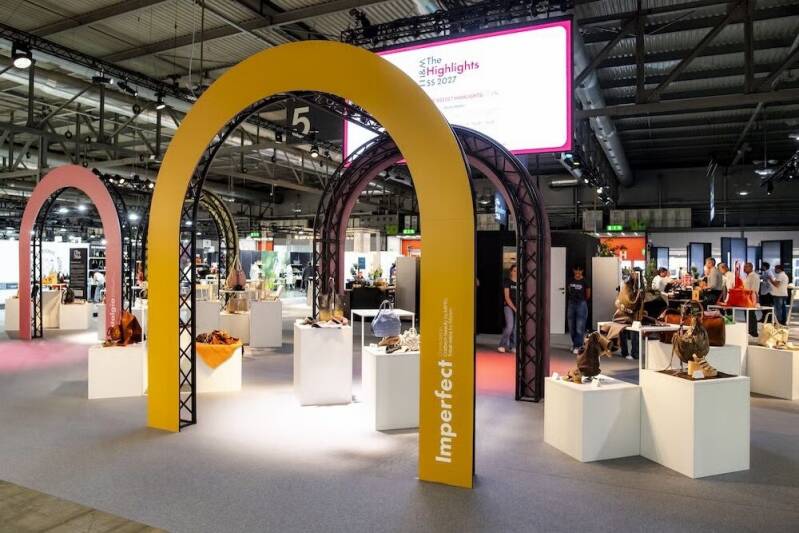
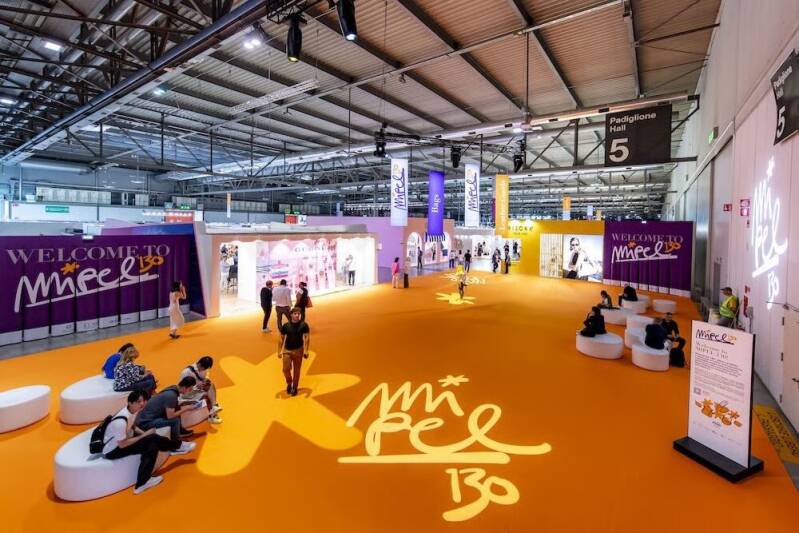
Fashion Link Milano closes its September 2026 edition with 37,000 professional visitors, confirming the growing importance of an integrated exhibition model bringing together different segments of the international fashion and accessories industry.
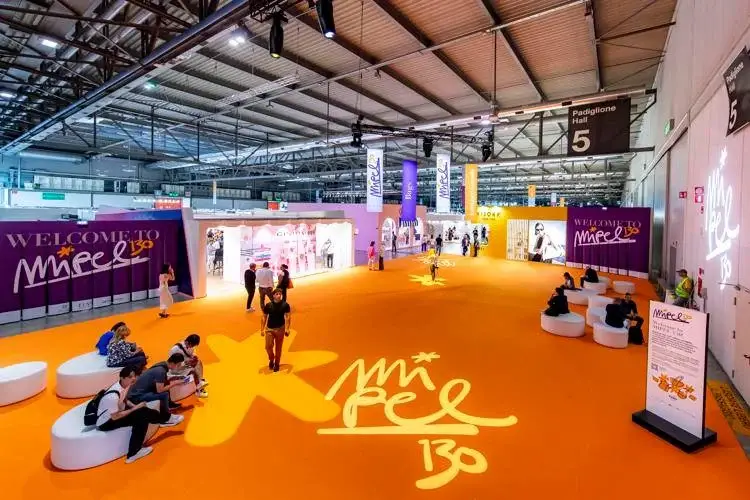
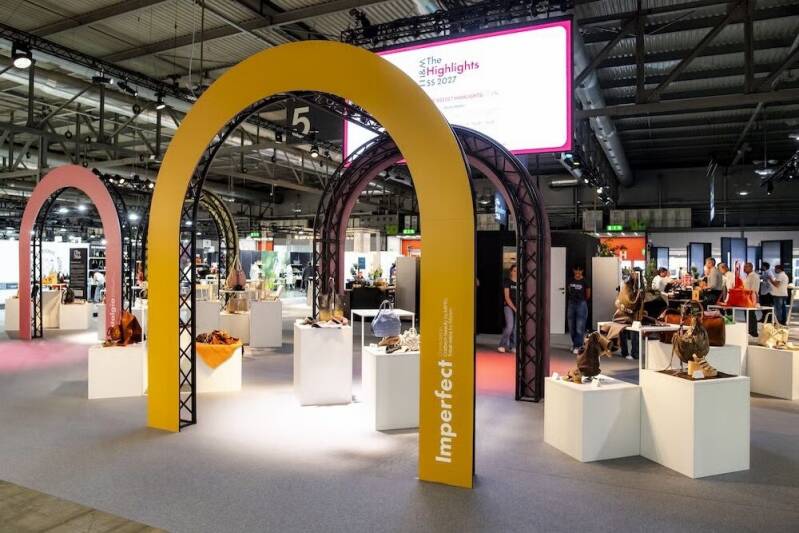
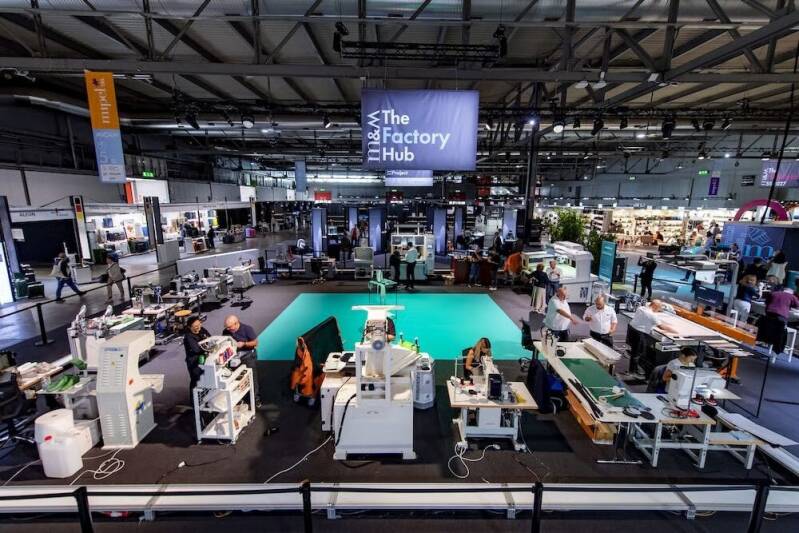
At Fiera Milano Rho, MICAM Milano, MIPEL, Milano Fashion&Jewels and TheOneMilano came together within the Fashion Link Milano ecosystem, alongside SIMAC Tanning Tech, which remained open during the same period. The initiative was designed to strengthen the identity of each individual exhibition while creating a broader, more interconnected fashion platform. (LinkedIn)
The September edition unfolded across seven exhibition halls, welcoming professionals from major European markets including Spain, Germany, France, Türkiye, Greece and Poland, as well as international markets such as China, the United States, Japan, Nigeria and South Africa. (LinkedIn)
The message emerging from Milan is clear:
FASHION IS NO LONGER A COLLECTION OF SEPARATE WORLDS.
IT IS AN ECOSYSTEM.
Digital research, collection selection, appointment scheduling, matchmaking, direct company relationships, professional content, training and fashion presentations increasingly form part of a single buyer journey.
And that journey is becoming global.
MILAN: WHERE FASHION MEETS BUSINESS
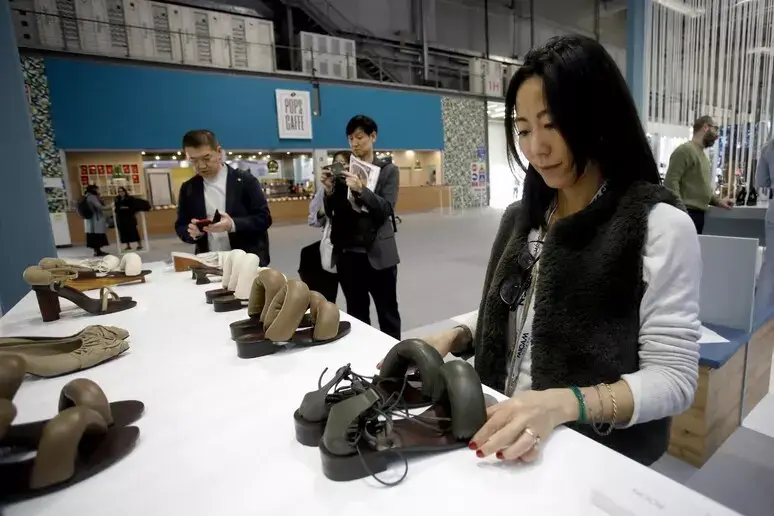
A trade fair is no longer simply a place where products are displayed.
It is where relationships are initiated.
Where buyers discover new brands.
Where manufacturers meet new markets.
Where designers test their international positioning.
Where heritage meets contemporary demand.
And where an emerging creative economy can suddenly enter the field of vision of an international buyer.
This is the strategic significance of Fashion Link Milano.
The four principal fashion exhibitions retain their individual identities while benefiting from physical proximity and a shared international audience.
The result is a broader commercial environment based on complementarity and cross-category opportunities. (LinkedIn)
THE MARKET IS CHANGING
The current fashion and leather-goods environment remains complex.
Claudia Sequi, President of MIPEL and Assopellettieri, has described a leather-goods market that has not yet returned to significant growth, while noting that the downward trend of previous years appears to have stabilised.
She also highlighted the role of geopolitical uncertainty and changing consumer behaviour, while pointing to the potential of greater buyer quality and professionalisation within the trade-show environment.
Her broader message is particularly relevant:
quality of connections can matter as much as quantity of attendance.
This is precisely where the Fashion Link concept seeks to create additional value.
AND THEN — AFRICA
Inside the large and welcoming MIPEL environment, another story caught the attention of the MOKILI MOBIMBA RUYA editorial team.
Not because it was loud.
Not because it occupied the largest space.
But because it represented something increasingly important:
AFRICAN CREATIVE ENTREPRENEURSHIP ENTERING THE INTERNATIONAL FASHION CONVERSATION.
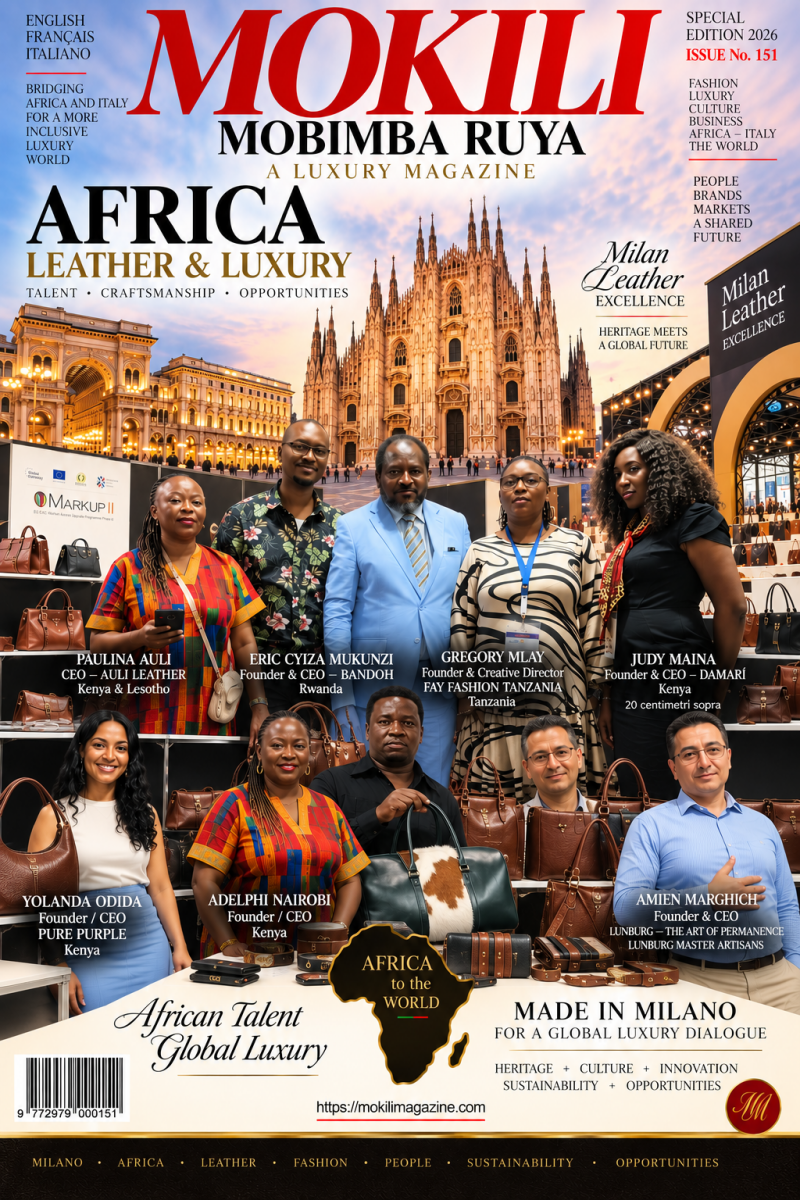
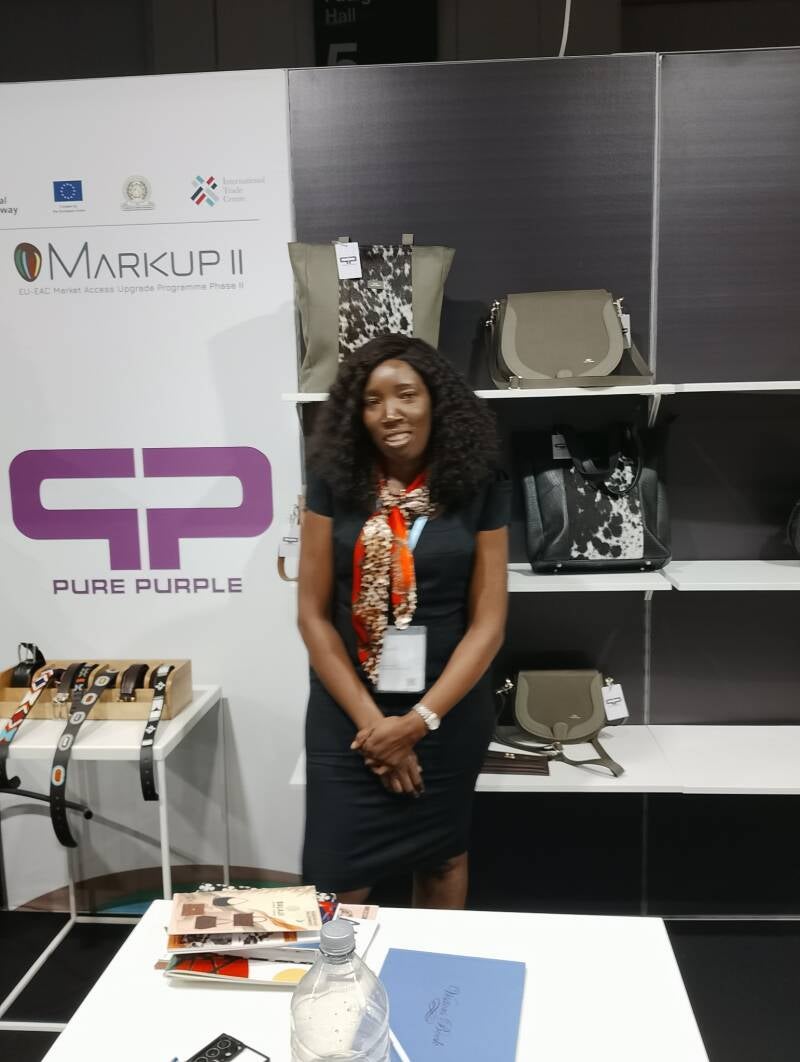
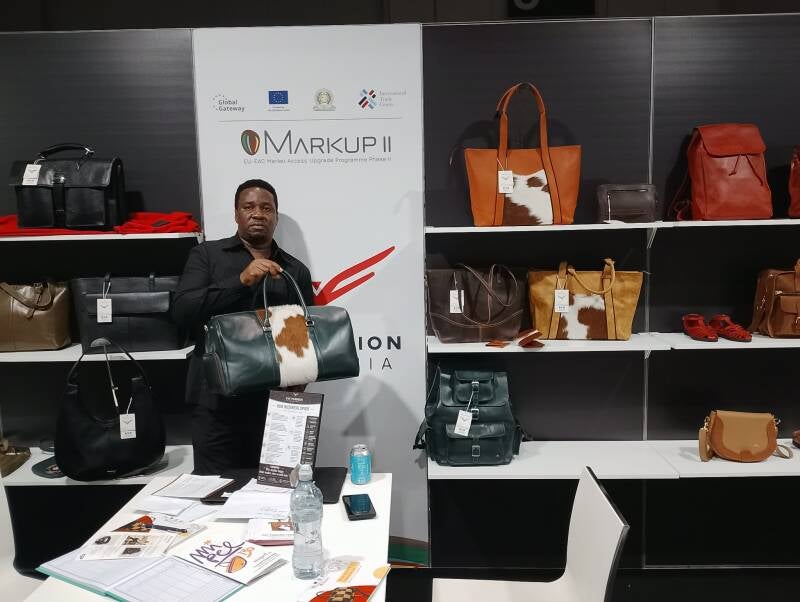
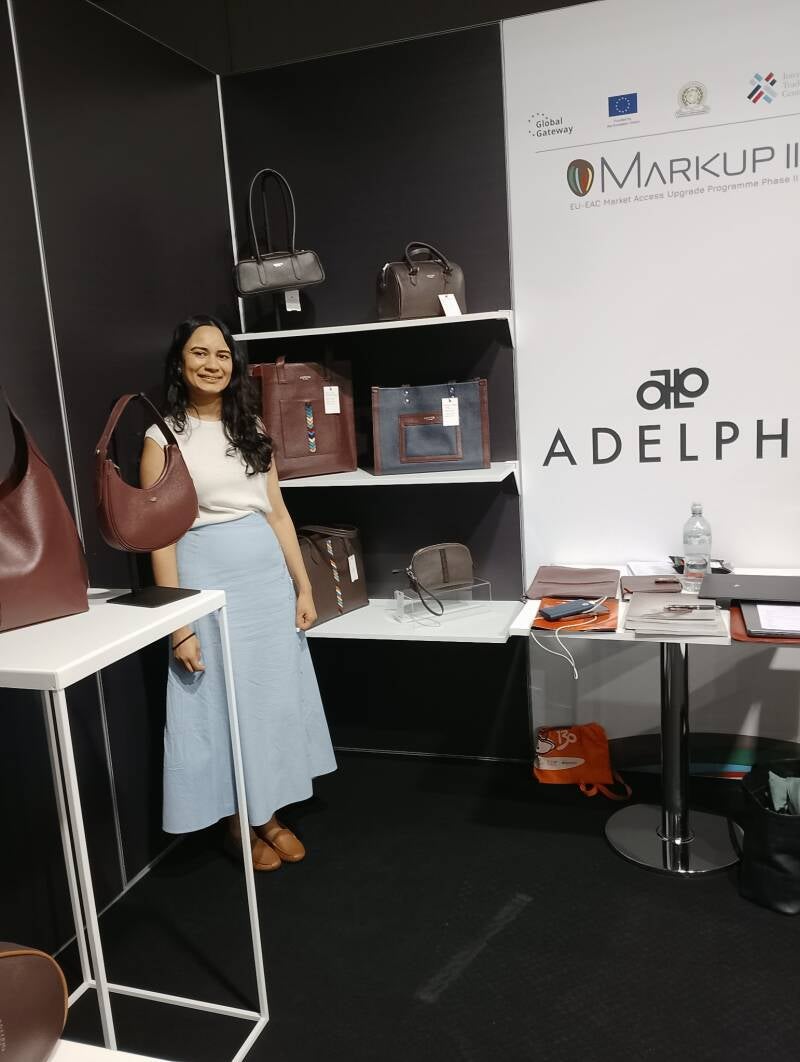
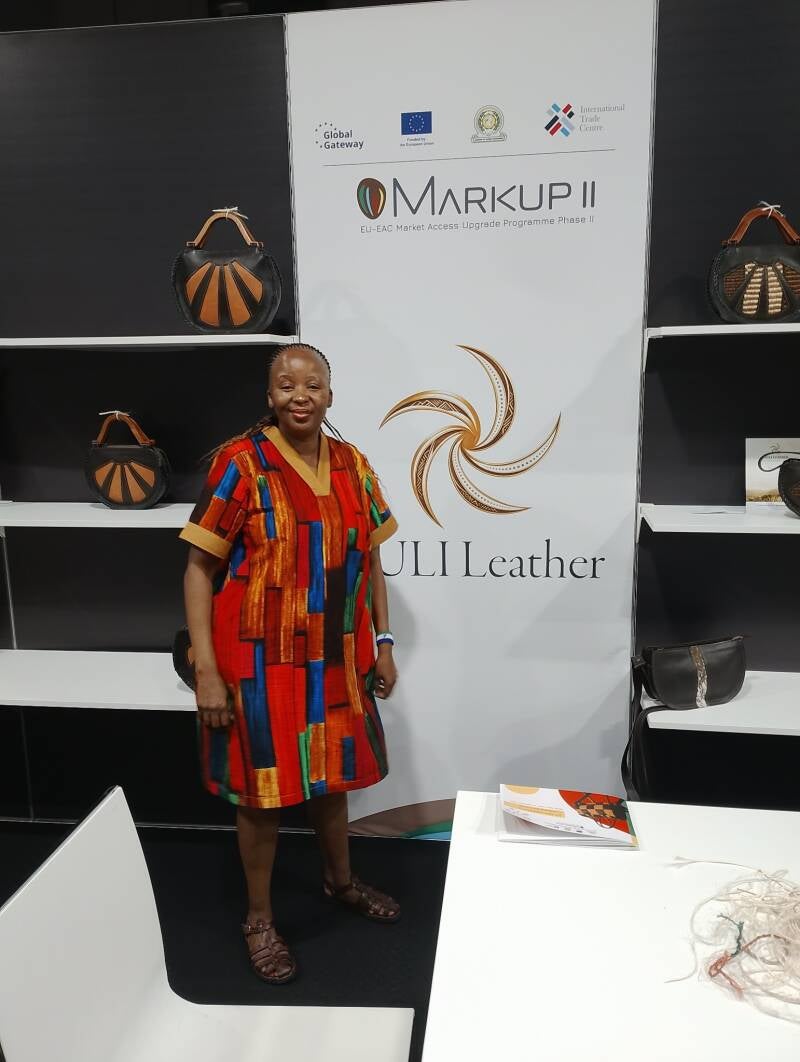
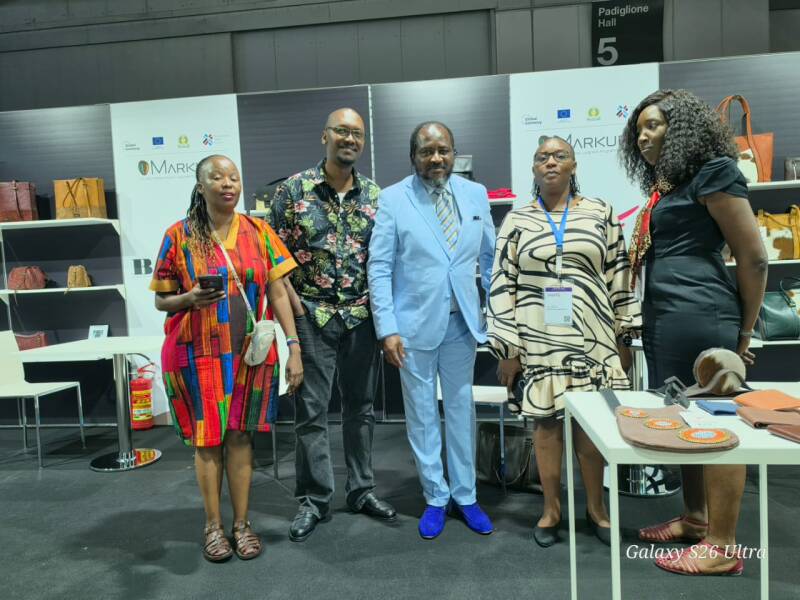
Within the MARKUP II / EU-EAC MARKUP II Company Directory area, supported by the International Trade Centre, a group of African designers, fashion entrepreneurs and leather specialists presented their work to an international professional audience.
The EU-EAC MARKUP II programme itself announced its participation at MIPEL in September 2026, with a selection of East African companies exhibiting on the international stage. (eacmarkup.org)
MOKILI MOBIMBA RUYA had the opportunity to meet and speak with these professionals.
They included:
ADELPHI — Nairobi, Kenya
ERIC CYIZA MUKUNZI
Founder & CEO — BANDOH
Rwanda
GREGORY MLAY
FAY FASHION
Tanzania
YOLANDA ODIDA
Founder / CEO — PURE PURPLE
Kenya
JUDY MAINA
Founder & CEO — DAMARÍ
Kenya
MELISSA KIEMA
Executive Sales — MUBI LEATHER
Kenya
PAULINA AULI
CEO — AULI LEATHER
Kenya & Lesotho
They were accompanied by members of the ITC team, including Essangui Mbaitjongue and Jean-Claude Mazingue.
AFRICA IS NOT A SIDE STORY
For MOKILI MOBIMBA RUYA, this was not simply another delegation.
It was an editorial signal.
A signal that the global fashion map is expanding.
A signal that African designers are increasingly seeking direct access to international buyers, professional networks and global markets.
A signal that leather, fashion, design and craftsmanship can become vehicles for international economic and cultural exchange.
And, above all, a signal that Africa should increasingly be viewed not simply as a destination for fashion products, but as a source of:
design.
craftsmanship.
entrepreneurship.
materials.
identity.
innovation.
new business models.
THE EAST AFRICAN CREATIVE VOICE
The diversity of the delegation was one of its strengths.
Kenya.
Rwanda.
Tanzania.
Lesotho.
Different national identities.
Different entrepreneurial stories.
Different creative languages.
But one common ambition:
TO CONNECT LOCAL KNOWLEDGE WITH GLOBAL OPPORTUNITY.
This is where international trade platforms become strategically important.
A designer may have the product.
An artisan may have the skill.
A founder may have the vision.
But international growth requires relationships.
Buyers.
Distribution.
Media.
Manufacturing.
Investment.
Market intelligence.
And trust.
YOLANDA ODIDA — PURE PURPLE
Among the African professionals encountered in Milan was Yolanda Odida, associated with Pure Purple in Kenya.
Independent documentation describes Pure Purple as a Nairobi-based footwear and accessories business working with locally sourced leather.
Her presence in Milan represents a wider entrepreneurial proposition:
LOCAL MATERIALS CAN BECOME GLOBAL PRODUCTS.
And that proposition deserves attention.
Because the future of African fashion will not be defined only by aesthetics.
It will also be defined by the ability to transform resources, skills and cultural knowledge into sustainable businesses capable of reaching international markets.
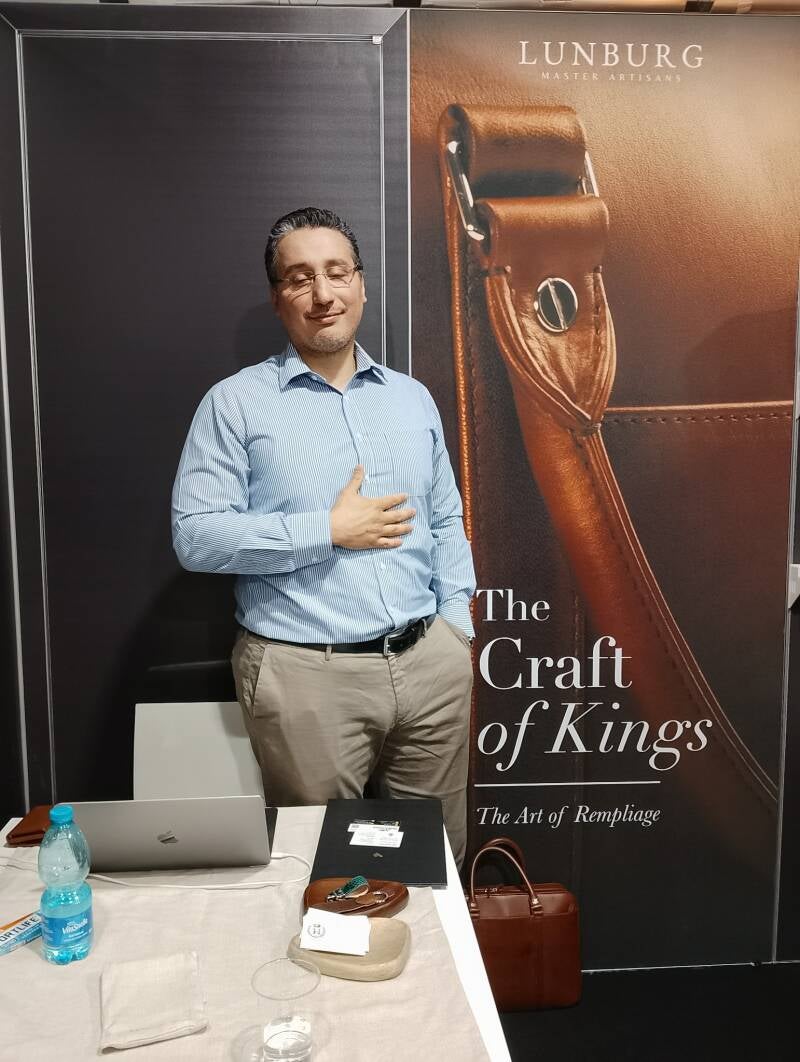
LUNBURG — THE ART OF PERMANENCE
Another encounter stood out at the exhibition:
LUNBURG MASTER ARTISANS
with Amien Marghich.
Lunburg is an atelier operating from Fès, Morocco, with a focus on handcrafted luxury leather goods and Fassi haute maroquinerie. Its official materials describe the brand as combining contemporary functional design with traditional leathercraft techniques from Fès.
The company identifies Amien Marghich as Founder and Director.
Here, luxury takes on a different meaning.
Not simply visibility.
Not simply branding.
But:
time.
precision.
material.
craft.
heritage.
continuity.
The object becomes a carrier of knowledge.
The artisan becomes a custodian.
The workshop becomes an archive.
And craftsmanship becomes a form of cultural capital.
THE NEW LANGUAGE OF LUXURY
The luxury industry is entering a new phase.
The vocabulary is changing.
From:
exclusivity
to:
authenticity.
From:
logo
to:
identity.
From:
speed
to:
craftsmanship.
From:
seasonality
to:
longevity.
From:
consumption
to:
meaning.
This transformation creates space for new geographies.
And Africa has a significant story to tell.
THE AFRICA–MILAN CONNECTION
Milan does not need another copy of itself.
Africa does not need to become another Milan.
The opportunity lies somewhere more interesting:
CONNECTION WITHOUT HOMOGENISATION.
Milan brings a powerful ecosystem of fashion, manufacturing, buyers, media and international business.
African markets bring distinctive cultural identities, materials, craftsmanship, creative entrepreneurship and emerging brands.
The future opportunity is not to erase those differences.
It is to connect them.
37,000 VISITORS — BUT THE REAL STORY IS THE CONNECTIONS
The 37,000 professional visitors are an important indicator.
But numbers alone do not explain the value of an international fashion platform.
The deeper questions begin after the exhibition closes:
How many meetings become orders?
How many conversations become partnerships?
How many emerging brands find international buyers?
How many designers enter new markets?
How many artisans find new patrons?
How many regional companies become global companies?
That is where the real impact of Fashion Link Milano will ultimately be measured.
MOKILI MOBIMBA RUYA — EDITORIAL VIEW
We believe the September 2026 edition reveals something larger than a successful trade-show calendar.
It reveals a fashion industry increasingly organised around connection.
Europe and Africa.
Design and manufacturing.
Heritage and innovation.
Craftsmanship and technology.
Culture and business.
Local identity and global markets.
This is the new fashion geography.
And it is becoming more interesting every day.
FROM MILAN TO NAIROBI.
FROM FÈS TO FLORENCE.
FROM KIGALI TO THE WORLD.
FROM HERITAGE TO THE FUTURE.
FROM CRAFTSMANSHIP TO GLOBAL BUSINESS.
MOKILI MOBIMBA RUYA
A Luxury Magazine Beyond Borders.
THE WHOLE WORLD IS BEAUTIFUL.
TAGS
#MokiliMobimbaRuya #FashionLinkMilano #FashionLink #MilanFashion #MICAMMilano #MIPEL #MilanoFashionJewels #TheOneMilano #FashionBusiness #GlobalFashion #LuxuryFashion #FashionIndustry #AfricanFashion #AfricanDesigners #AfricanFashionDesigners #AfricanCreatives #AfricanLuxury #MadeInAfrica #EastAfricanFashion #AfricanEntrepreneurs #LeatherGoods #LuxuryLeather #LeatherCraftsmanship #MasterArtisans #Craftsmanship #FashionEntrepreneurship #GlobalLuxury #FashionInnovation #MilanToTheWorld #AfricaToTheWorld #AfricaEurope #FashionBeyondBorders #CulturalIntelligence #HeritageToFuture #TheWholeWorldIsBeautiful
Add comment
Comments