

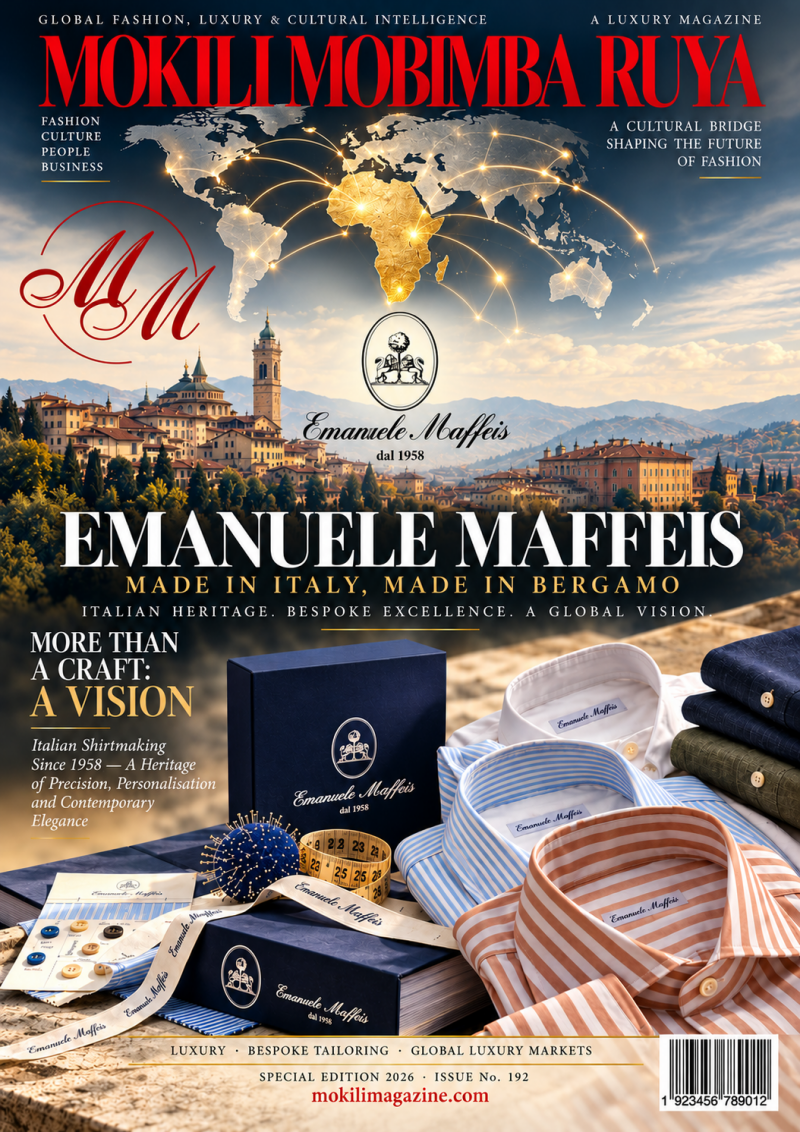
MOKILI MOBIMBA MAGAZINE
A CULTURAL BRIDGE SHAPING THE FUTURE OF FASHION
ITALIAN HERITAGE. BESPOKE EXCELLENCE. A GLOBAL VISION.
MOKILI MOBIMBA MAGAZINE · GLOBAL PERSPECTIVES · LUXURY FASHION · CULTURE · ART DE VIVRE
EMANUELE MAFFEIS
The Art of the Shirt. A Vision for the Future of Italian Craftsmanship.
ITALIAN HERITAGE · PERSONAL EXPRESSION · CONTEMPORARY ELEGANCE · INTERNATIONAL OUTLOOK
MORE THAN A CRAFT: A VISION
Italian shirtmaking since 1958 — where heritage, precision and individuality meet.
An editorial feature by MOKILI MOBIMBA MAGAZINE
The story behind the shirt
In the world of luxury, true distinction rarely announces itself loudly. It reveals itself through the quality of a material, the precision of a line, the balance of a silhouette and the quiet confidence of a garment made with purpose.
The shirt, seemingly one of the simplest elements of a wardrobe, offers an exceptional expression of this philosophy.
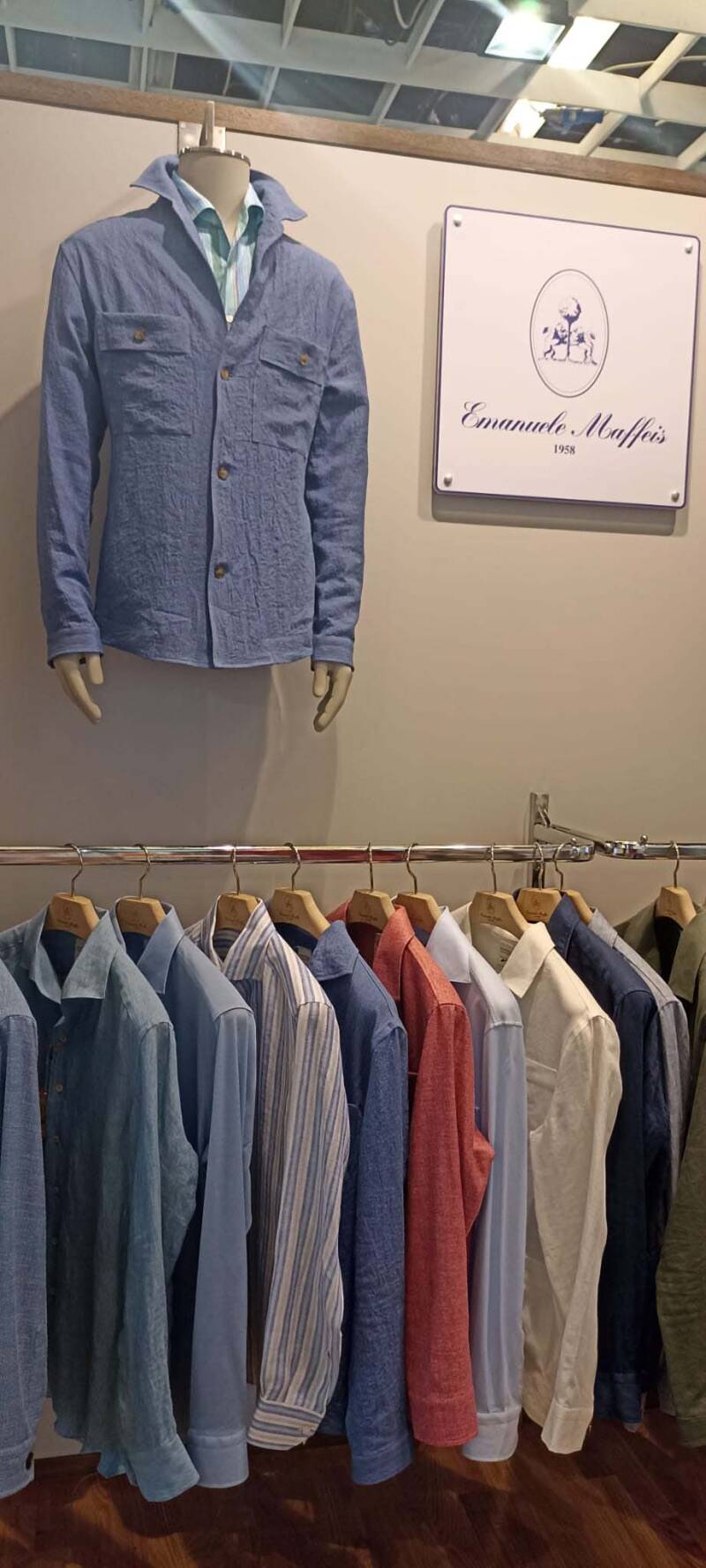
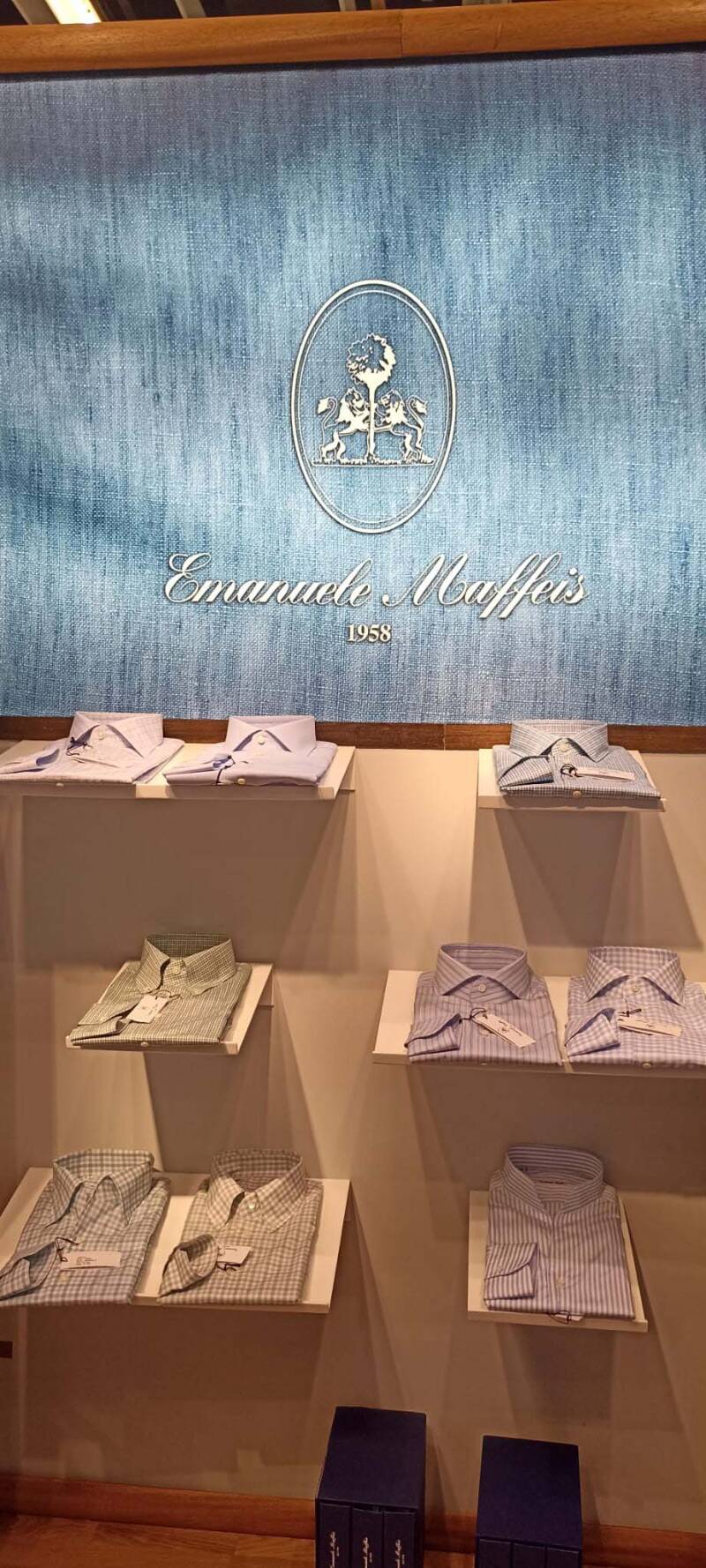
Founded in Bergamo, Italy, in 1958, Emanuele Maffeis represents a heritage of Italian shirtmaking built around textile knowledge, attention to detail and an enduring appreciation for the relationship between craftsmanship and personal identity.
Its story belongs to a tradition in which manufacturing is not merely a technical process, but a discipline shaped by experience, sensitivity and the pursuit of quality. Over generations, Italian shirtmaking has established an international reputation for combining material excellence with design intelligence. Within this tradition, the shirt becomes much more than an essential garment: it becomes a personal signature.
The brand's guiding statement, More Than a Craft: A Vision, captures this broader ambition. It suggests a philosophy in which the value of a shirt is defined not only by how it is made, but also by how it reflects the person who wears it.
For Emanuele Maffeis, the contemporary relevance of Italian craftsmanship lies in its ability to preserve the integrity of tradition while remaining open to changing lifestyles, new aesthetic sensibilities and an increasingly international audience.
The fabric: where every story begins
Before a shirt takes shape, there is a choice of material. Before the first seam is completed, there is a decision about texture, structure, colour and movement.
Fabric is not simply the foundation of a shirt. It determines its character.
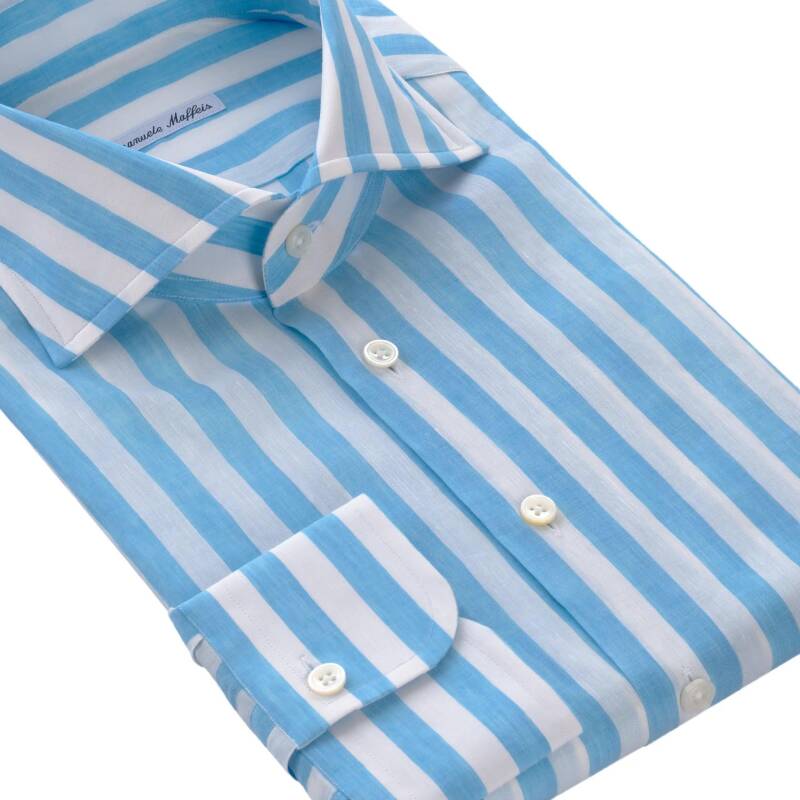
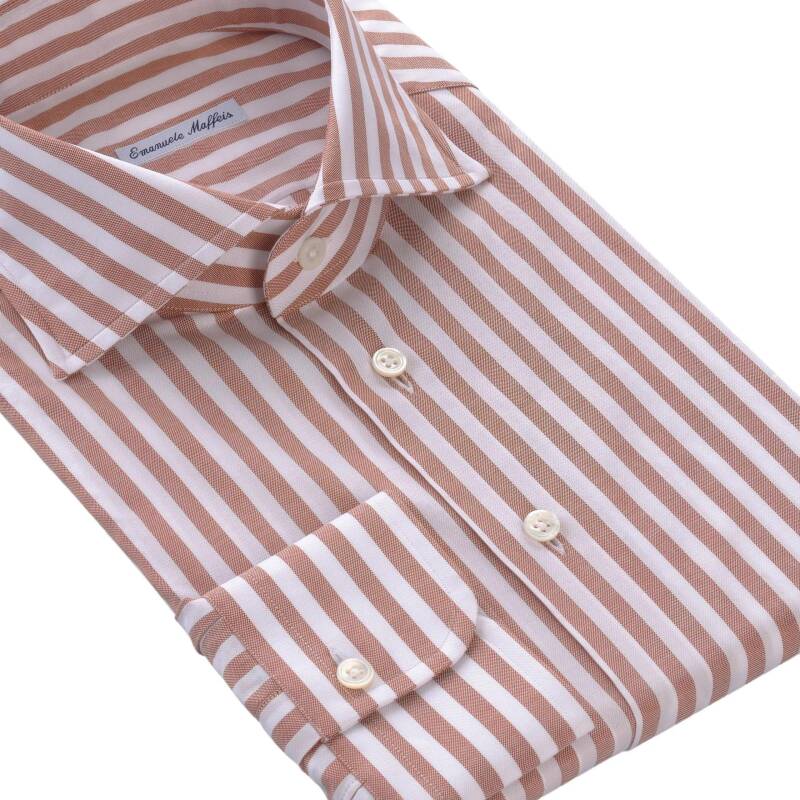
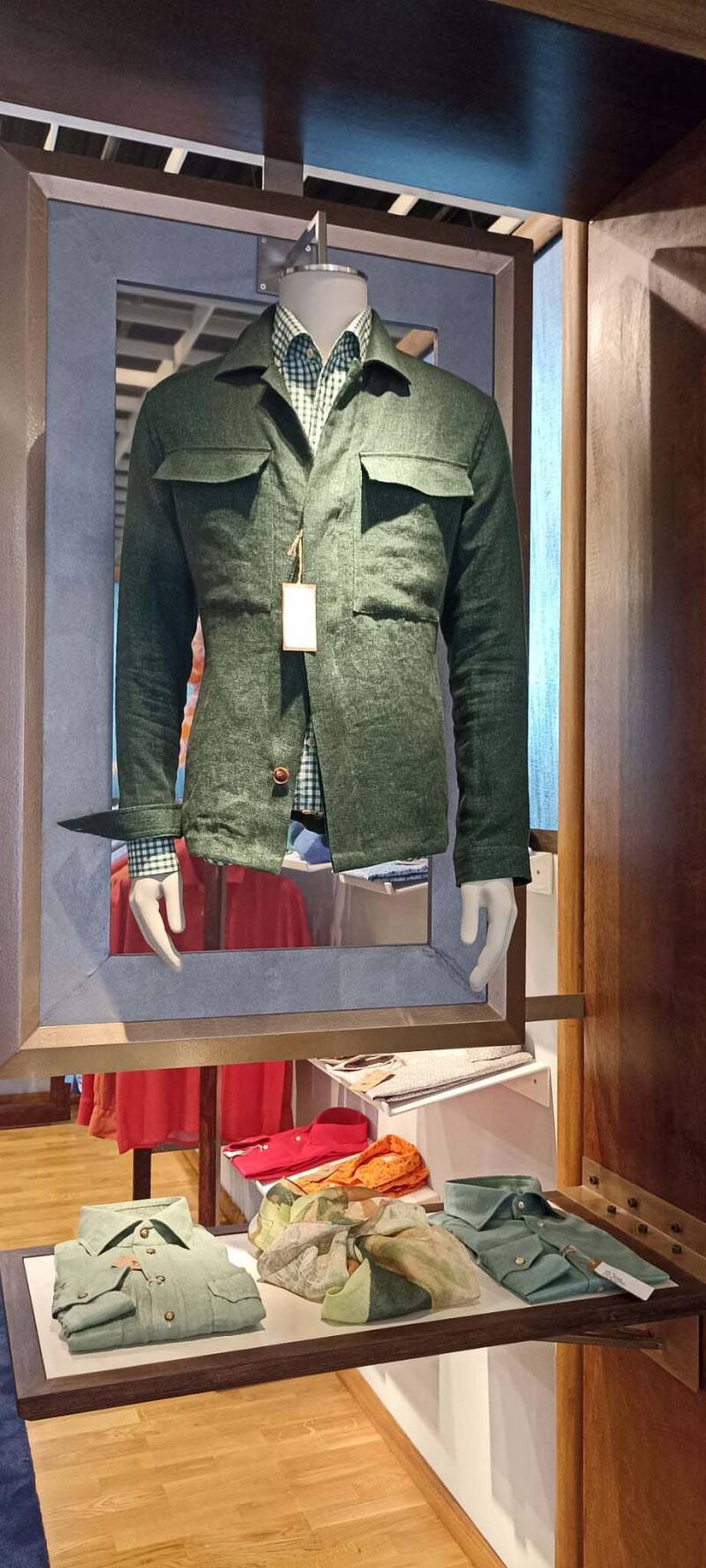
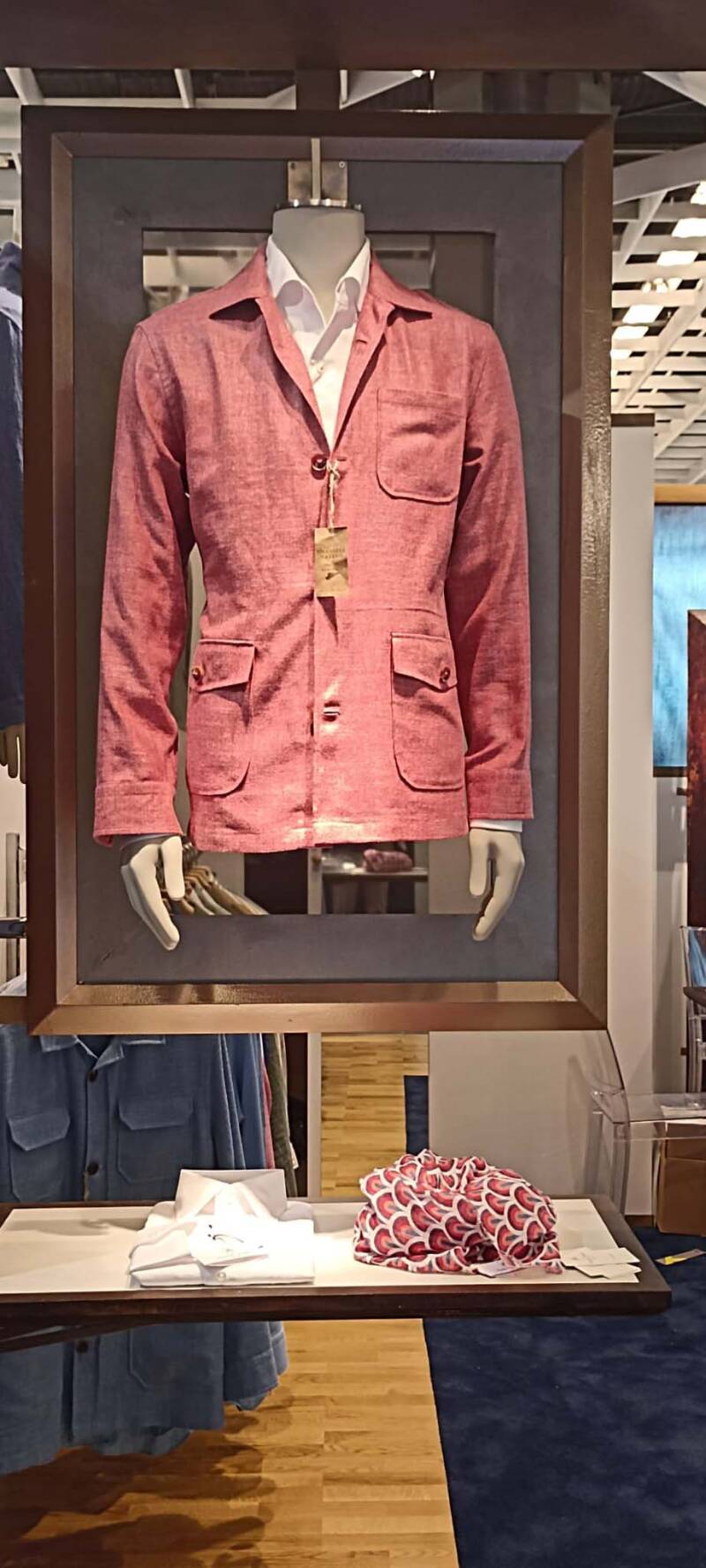
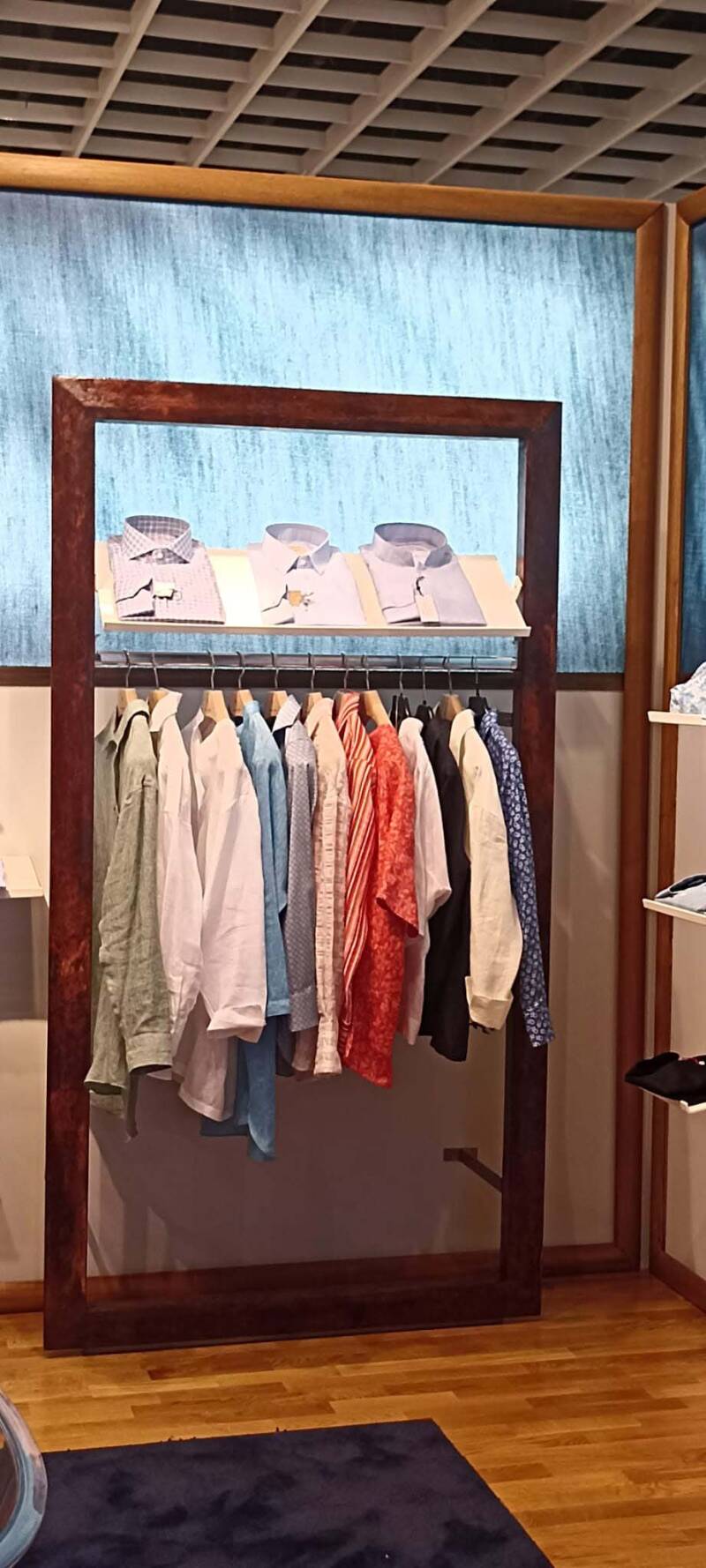
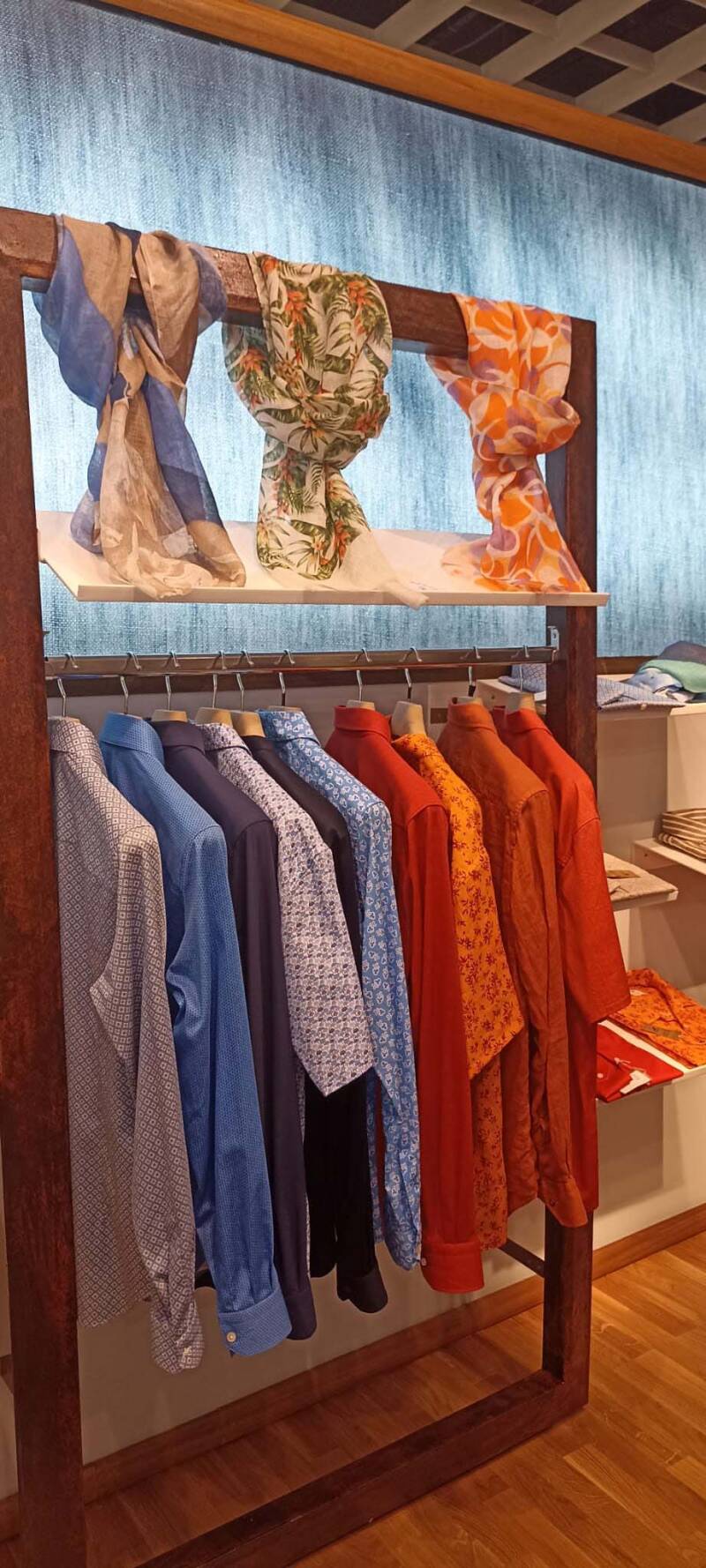
Cotton remains a defining material for its versatility, breathability and capacity to accommodate different styles, from formal tailoring to relaxed everyday elegance. Linen introduces a more natural texture and an effortless lightness, particularly suited to warmer climates and contemporary summer dressing. Silk offers fluidity and luminosity, while denim brings a modern, urban sensibility to a garment with deep sartorial roots.
The dialogue between these materials creates a wide vocabulary of possibilities. Subtle weaves, refined colours, distinctive patterns and tactile finishes can transform the same essential garment into expressions of different personalities.
Within premium shirtmaking, the selection of textiles is therefore an act of design in its own right. It influences not only appearance, but also comfort, drape, durability and the experience of wearing the garment.
Emanuele Maffeis places fabric research and the development of distinctive shirt designs within its stated creative philosophy. Names associated with the textile universe referenced in the company's supplied brief include Thomas Mason, Albini, Canclini and Riva. Their precise use, availability and relationship to individual collections should be confirmed before publication.
Ultimately, the finest fabric is not necessarily the most conspicuous. It is the one whose qualities become evident through touch, movement and time.
The intelligence of detail
In exceptional shirtmaking, elegance is rarely the result of a single defining gesture. It emerges from the coherence of many carefully considered decisions.
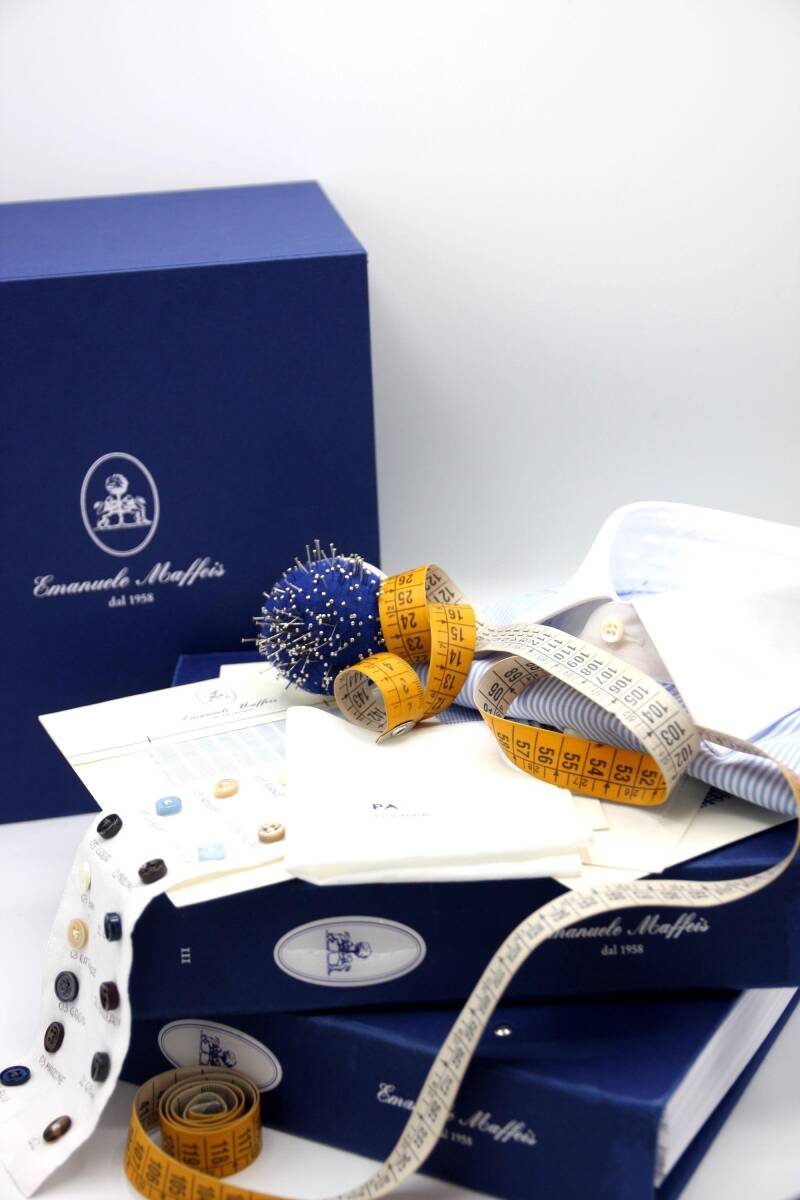
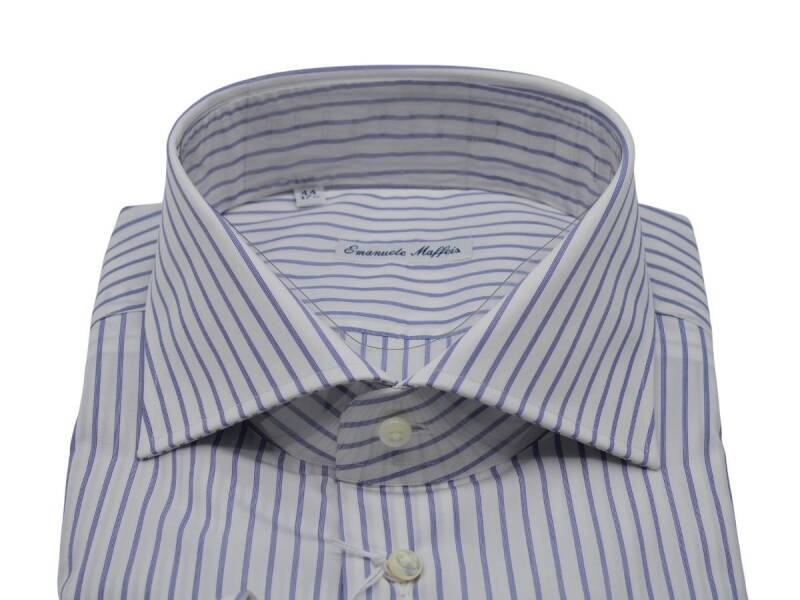
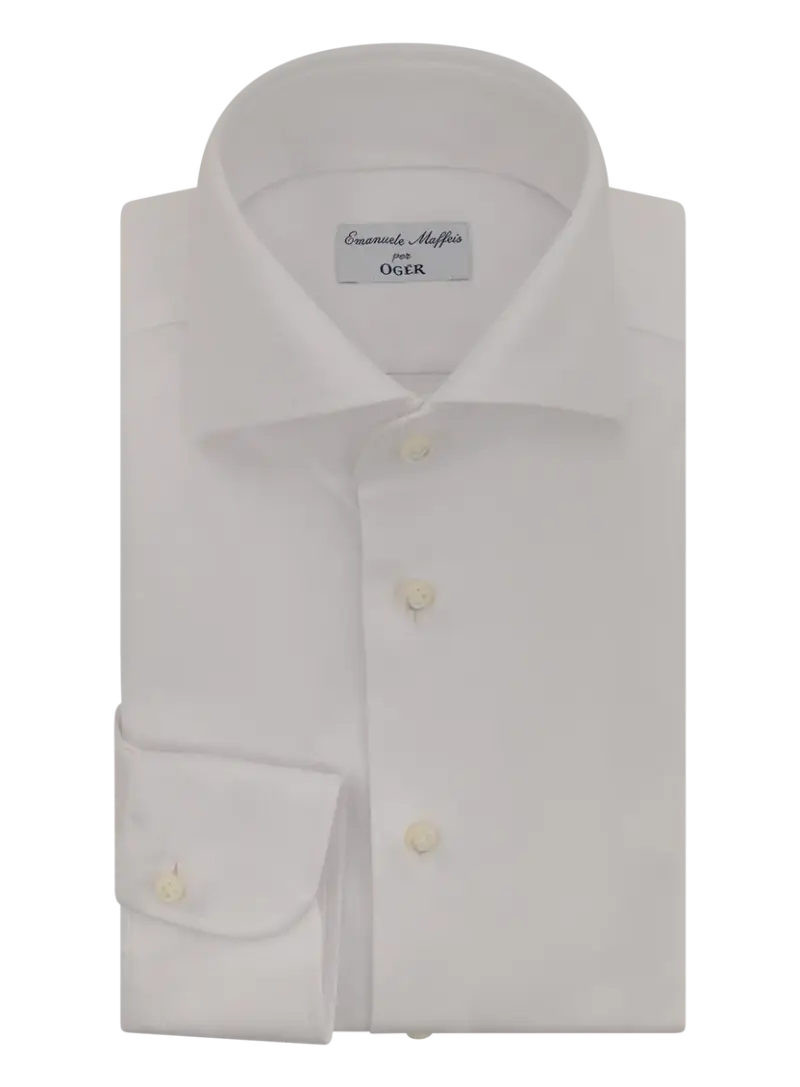
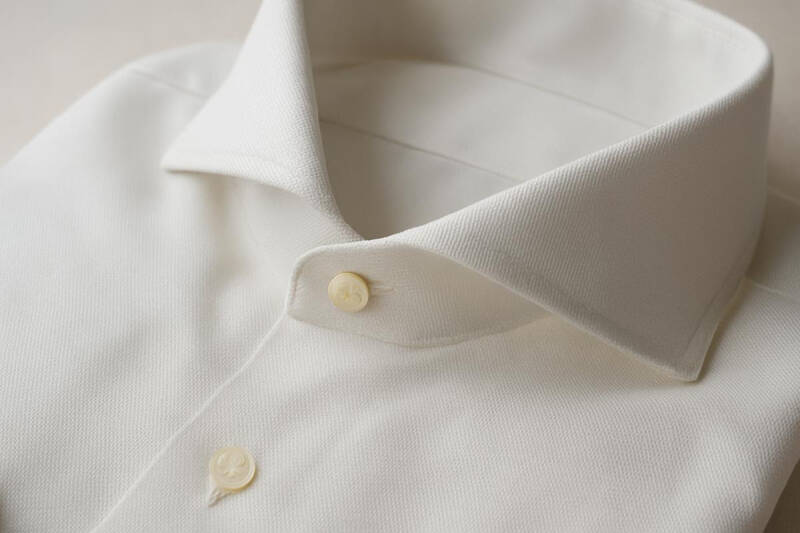
A collar can establish the entire character of a shirt. A cuff can subtly alter its relationship with a jacket, a watch or the movement of the hand. Buttons, buttonholes, stitching, proportions and finishing techniques contribute to a visual language that may appear understated while remaining unmistakably personal.
This is where personalisation acquires its true significance.
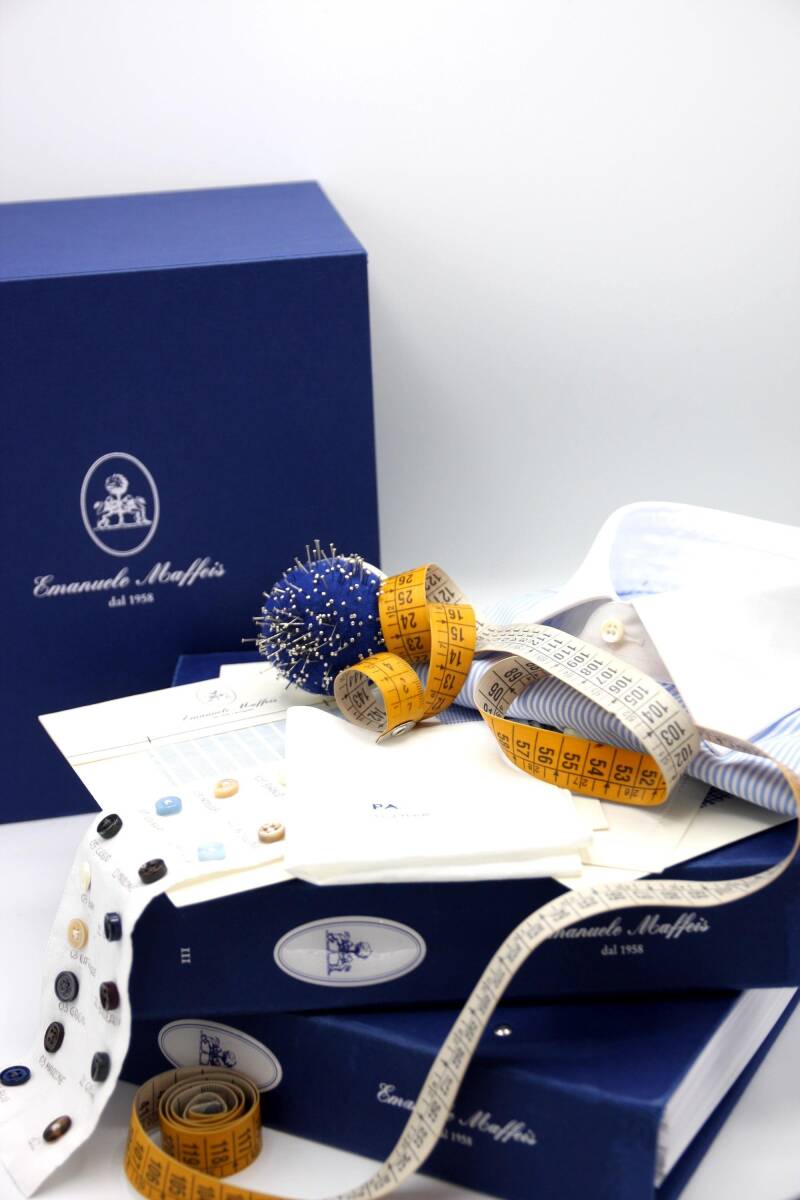
The opportunity to select particular details allows a wearer to participate in the creation of a garment that reflects individual preferences. The objective is not simply to add decorative elements, but to establish a coherent relationship between the fabric, the cut, the intended use and the person who will wear the shirt.
According to the company's published description of its craftsmanship, its approach includes attention to finishing, the alignment of stripes and checks, and individual quality inspections. Specific hand-finishing techniques and construction details should be attributed to the relevant products only where they have been confirmed.
The result is a vision of shirtmaking in which precision and personality are complementary rather than opposing values.
A well-considered shirt does not need to dominate an outfit. It brings it into balance.
Beyond the garment: an expression of identity
Luxury today is increasingly defined by the relationship between the object and the individual. Consumers are looking not only for products that demonstrate quality, but also for pieces that correspond to their preferences, lifestyles and understanding of elegance.
The shirt is particularly suited to this evolution. It can be formal without appearing rigid, relaxed without losing refinement, expressive without becoming excessive.
Emanuele Maffeis extends its shirtmaking perspective across menswear and womenswear, recognising the versatility of the shirt as a garment that moves beyond conventional wardrobe categories.
The same principles of proportion, material and construction can support very different expressions of style. A tailored silhouette may communicate restraint and authority; a softer cut can suggest ease and movement. Neither requires a departure from craftsmanship.
This is the enduring strength of the shirt: its ability to adapt while retaining a recognisable identity.
Personalisation, in this context, is not simply an additional service. It represents a broader understanding of contemporary luxury — one that gives space to individuality while maintaining respect for the discipline of making.
Quality is a process, not a promise
Luxury is often communicated through imagery, presentation and the language of exclusivity. Its lasting credibility, however, depends on what happens behind the finished product.
Quality begins with the selection of materials and continues through pattern development, construction, finishing and inspection. It is also experienced in the way a garment fits, how comfortably it moves with the body and how consistently it performs through repeated wear.
Emanuele Maffeis describes an approach to quality control that follows production and includes a final examination of individual shirts. The company also identifies workmanship, fit, comfort and customer service among its priorities.
These elements provide the foundation for a meaningful discussion of manufacturing heritage. They also demonstrate why craftsmanship remains relevant in a market where speed and volume often dominate commercial priorities.
A commitment to quality should not be confused with an unverified claim of environmental sustainability. Assertions concerning certified materials, traceability, reduced environmental impact or specific ethical standards require separate documentation.
For a heritage-led brand, credibility is strengthened when the story of the product is as precise as the product itself.
Italian heritage, international horizons
The history of Italian manufacturing is also a history of exchange: between workshops and markets, between established traditions and new influences, between local expertise and international demand.
For Emanuele Maffeis, the next chapter may involve a more structured engagement with selected African markets.
According to the development plans provided for this editorial, the company is exploring the possibility of entering approximately three to five African countries by the end of the year. Markets under consideration include South Africa, the Democratic Republic of the Congo, Angola, Namibia, Ghana, Côte d'Ivoire, Nigeria, Kenya, Benin and Morocco.
These destinations remain under consideration; the final markets, commercial partnerships, distribution arrangements and launch dates have yet to be confirmed.
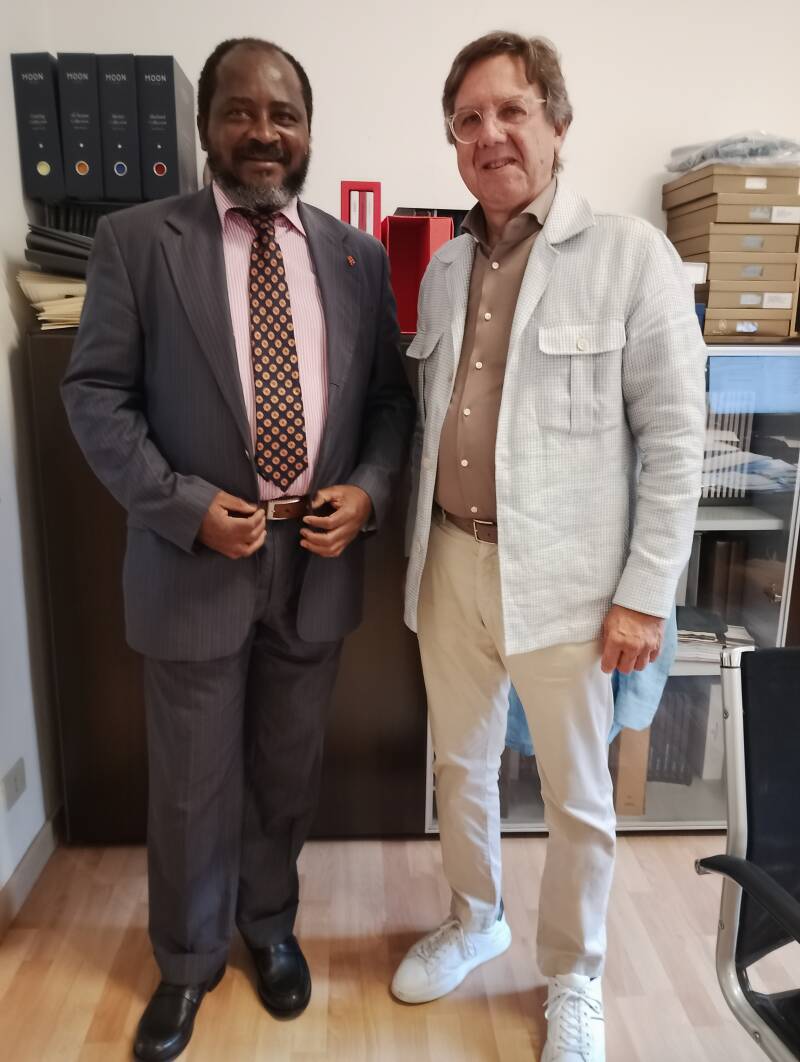
The company has also identified Amédée Martin Mieke, described in the supplied brief as an Italian-Congolese specialist in African markets, as a potential contributor to this international development. His official title, responsibilities and formal relationship with the company should be verified before any public announcement.
The significance of this ambition extends beyond geographical expansion. Entering a new market requires more than introducing a product. It calls for an understanding of local retail ecosystems, purchasing preferences, business cultures, climatic conditions and the creative communities that shape contemporary style.
Africa should never be approached as a single, uniform market. Its countries and cities represent distinct cultural, economic and commercial environments, each with its own expectations and opportunities.
For an Italian shirtmaker, this diversity creates the possibility of a constructive dialogue between established textile expertise and contemporary African creativity.
Such a dialogue is most meaningful when it is based on listening, mutual respect, long-term relationships and an appreciation of local knowledge. Rather than exporting a fixed definition of elegance, a brand can develop a more relevant international identity by understanding how its craftsmanship may respond to different contexts.
The opportunity is not simply to reach new customers. It is to build relationships capable of giving an established heritage renewed meaning.
The future of luxury: continuity with purpose
The international luxury sector is undergoing a continuing reassessment of value. Provenance, product integrity, personalisation and the credibility of a brand's narrative all contribute to how a product is perceived.
In this environment, Emanuele Maffeis offers an editorial perspective on the enduring relevance of specialised manufacturing.
Its heritage, dating to 1958, provides a historical foundation. Its emphasis on materials, tailoring details and individual expression offers a contemporary point of connection. Its proposed international development introduces a further question: how can a heritage brand grow while preserving the characteristics that give it meaning?
The answer lies in continuity without immobility.
Tradition remains valuable when it is practised, questioned and renewed. Innovation becomes meaningful when it strengthens rather than obscures the identity of the product. International expansion becomes sustainable as a business ambition when it is supported by realistic plans, credible partnerships and a genuine understanding of local markets.
For Emanuele Maffeis, the shirt can therefore be understood as both an object of craftsmanship and a medium of cultural expression.
It brings together material, proportion, construction and intention. It carries the imprint of the maker while leaving room for the personality of the wearer.
A story that goes beyond fashion
For MOKILI MOBIMBA MAGAZINE, the story of Emanuele Maffeis extends beyond the commercial narrative of a luxury product.
It speaks to the continuity of Italian manufacturing, the cultural value of specialised skills and the ways in which fashion can create connections across borders. It also invites a wider reflection on the relationship between heritage and contemporary identity.
A shirt may be an everyday object, but the decisions behind it are anything but ordinary.
The fabric, the fit, the collar, the cuff and the finishing details form a language of their own. When these elements are brought together with care, the result is not merely a garment. It is an expression of intention.
Emanuele Maffeis. Italian shirtmaking since 1958. More than a craft: a vision.
Editorial perspective — MOKILI MOBIMBA MAGAZINE
MOKILI MOBIMBA MAGAZINE approaches fashion as a cultural language, bringing together design, craftsmanship, identity, heritage and international exchange.
Through this perspective, Emanuele Maffeis becomes a point of entry into a wider conversation about the future of Italian manufacturing and the evolving geography of luxury.
The editorial ambition is to present the brand's heritage with clarity, examine its contemporary philosophy and consider its international aspirations without losing sight of the cultural diversity of the markets it hopes to engage.
The central idea is simple: the shirt as a personal signature, and craftsmanship as a bridge between cultures.
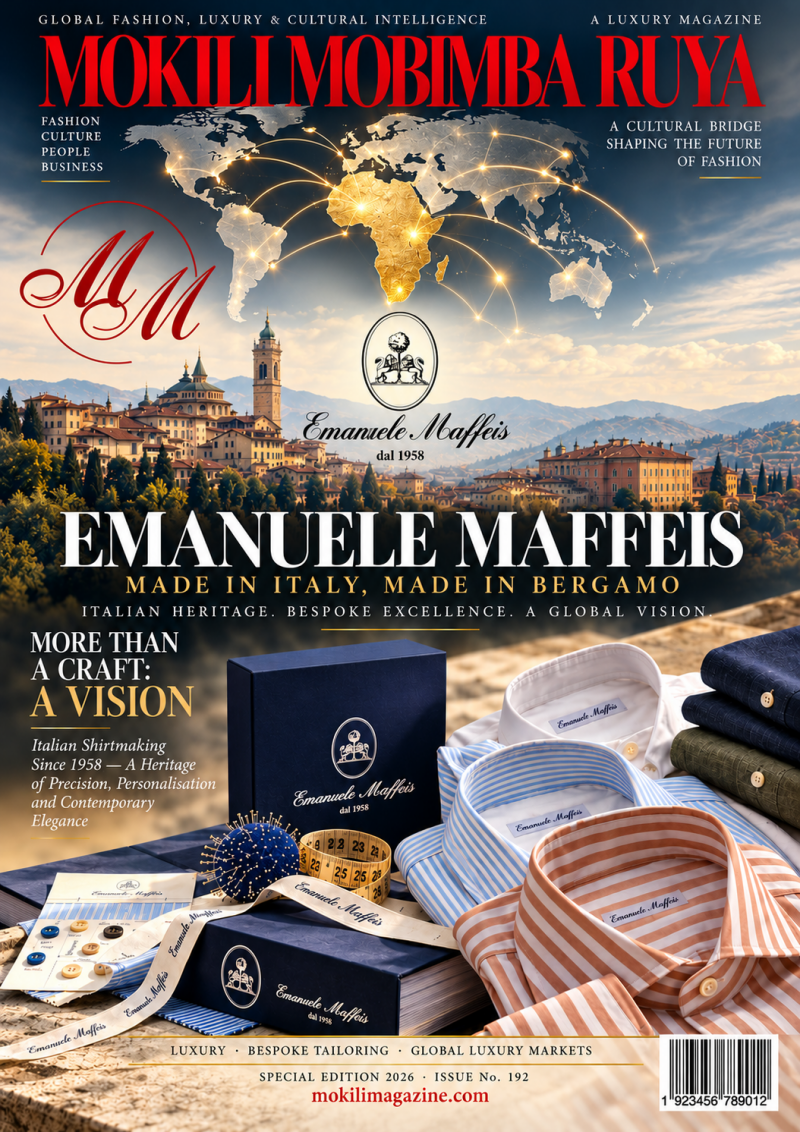
Digital cover proposal
EMANUELE MAFFEIS
THE ART OF THE SHIRT
The Future of Italian Craftsmanship
MOKILI MOBIMBA MAGAZINE · GLOBAL LUXURY EDITION
International press description
Founded in Bergamo in 1958, Emanuele Maffeis represents a tradition of Italian shirtmaking shaped by textile knowledge, considered design and attention to detail. Through its focus on materials, fit, personalisation and quality control, the brand approaches the shirt as an expression of individual identity. With plans under development to explore selected African markets, Emanuele Maffeis is considering a new phase of international engagement that could bring Italian manufacturing heritage into dialogue with diverse creative cultures and evolving perspectives on contemporary luxury.
Brand signature
MORE THAN A CRAFT: A VISION
Exceptional shirts, crafted by passionate hands down to the smallest detail.
Paolo Maffeis · Italian Shirtmaking Since 1958
Tags
Editorial identity · Luxury fashion · International visibility
#EmanueleMaffeis #MokiliMobimbaMagazine #MoreThanACraftAVision #TheArtoftheShirt #ItalianShirtmaking #MadeInItaly #ItalianCraftsmanship #LuxuryFashion #LuxuryStyle #Shirtmaking #SartorialElegance #PersonalisedLuxury #TextileHeritage #FashionEditorial #ContemporaryElegance #LuxuryMenswear #LuxuryWomenswear #FashionCulture #GlobalLuxury #AfricanLuxury #AfricaFashion #ItalyMeetsAfrica #CreativeExchange #ArtDeVivre #FashionInnovation






Add comment
Comments